Operations | Monitoring | ITSM | DevOps | Cloud

Windows 11 22H2 and Ivanti UEM: The New Features Enterprise Users Should Know

The Windows 11 22H2 release demonstrates that Microsoft is embracing the Everywhere Workplace, with new features and capabilities to support remote workers and BYOD deployments. What enhancements should IT admins pay attention to? These are the features worth taking advantage of – and since Ivanti UEM solutions support devices on Windows 11 22H2, customers can roll out the latest OS to their whole fleet from day zero.

Want to improve your incident response plan? Focus on better incident communication.

Resolving the incident is only half the battle when it comes to responding to incidents. For many teams, incident communication is an afterthought, leaving stakeholders inside and outside the organization guessing what happened. But ensuring that important information about the incident is disseminated clearly and quickly is essential.

Just How Bad is a Down, Slow, or Dysfunctional Website? It's Worse than You Think!

Have you ever watched a movie (*cough* Godfather III) and said to yourself: “wow, this is so incredibly bad — I don’t think this can get worse!” But then it does. Much, much worse. Well, having a down, slow, or dysfunctional website is similarly nightmarish — just when you think the reputation devastation is finally over, there’s more on the horizon. With apologies to Shakespeare: hell hath no fury like a customer scorned. Not convinced?

Polyglot persistence vs multi-model databases for microservices

Microservice architecture is an application system design pattern in which an entire business application is composed of individual functional scoped services, which can scale on demand. Each team focuses on an individual service and builds it according to their skillset or language of choice. In addition to flexibility, this pattern provides: These features have made microservices architecture a popular choice for enterprises.

Get More From Your JFrog Platform Using the Cloud Marketplaces

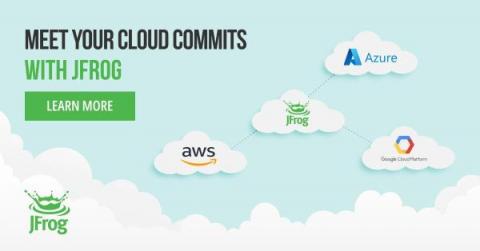
These days, organizations of all types, sizes and industries are using the cloud for a wide variety of business reasons and use cases. Benefits include agility, elasticity, cost savings, ease of deployment, ease of management, ease of procurement and ability to leverage cutting edge technologies. JFrog customers are no different. Indeed, JFrog recognizes that many customers want a hybrid cloud approach with the ability to work across multi-clouds.

Part 5: Proactive Observability With AIOps- Level 4

Level 4, Proactive Observability With AIOps, is the most advanced level of observability. At this stage, artificial intelligence for IT operations (AIOps) is added to the mix. AIOps, in the context of monitoring and observability, is about applying AI and machine learning (ML) to sort through mountains of data looking for patterns.

Flask Monitoring and APM Benefits

Many renowned businesses use the well-known web framework Flask. Flask is quite famous among developers for making small and full-fledged applications. It is known for being a straightforward framework to learn hence why it is popular among established organizations. Monitoring your Flask application can be a challenge. Many important operations are happening inside of them, and if anything goes wrong, it can cause some damage.

Schedule Cronjob for the First Monday of Every Month, the Funky Way

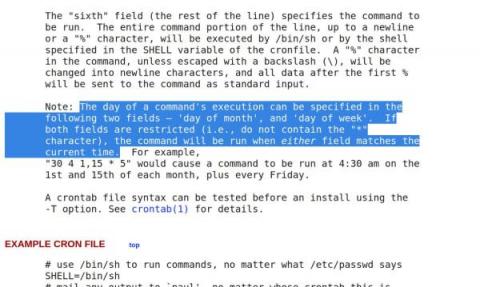
The crontab man page (“man 5 crontab” or read online) contains this bit: What does it mean precisely? If you specify both the day of month and the day of week field, then cron will run the command when either of the fields match. In other words, there’s a logical OR relationship between the two fields.

Understanding Help Desks Vs Service Desks - How Are They Different?

In business, a lot of seemingly similar terms are used interchangeably. However, when you dig down a little you'll find that there are differences, which can cause confusion if you're in the dark about them. Help desks and service desks are an ideal example. On the surface they seem identical, but the reality is that they do describe different components of a broader IT support infrastructure. Let's clear things up by talking you through what each involves, and covering the roles that they play in companies today.