Operations | Monitoring | ITSM | DevOps | Cloud

How We Use RPC to Share Database Connections and Scale our Multi-Product Architecture

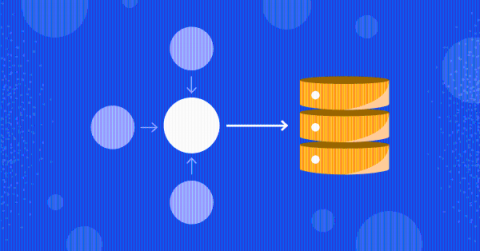
The database/sql package in the Go standard library maintains a pool of connections so that all queries going through a single *sql.DB instance will reuse the same pool. This is great because you get a connection pool out of the box. But what if you need to share the same connection pool across processes? How do you use the same API in different processes but still reuse the same pool?

Azure vs. AWS vs. GCP: A Direct Comparison

Ever since the pandemic hit the world in 2020, many businesses and institutions have begun to adopt cloud computing into their operations. With more employees working from home, companies have moved from on-site data centers and chosen cloud computing services. Although cloud computing is not new, its relevance has increased during the last year and has revolutionized how businesses and institutions are operating now.

Path To Rancher Desktop 1.0.0

Rancher Desktop has been in development for just over a year with the open question: when do we have a 1.0.0 stable release? Along the way the scope has expanded, it was ported to run in more places and the development team has grown. All of this happened as we worked out if Rancher Desktop would be useful for people, what features people want to use and what are good ways to build it. We are finally ready to answer that 1.0.0 question.

Debunking the image-based backup myth

The state of backup technology has moved forward, and many of the old assumptions are no longer true. For years, image-based backup was considered the industry standard. But today’s IT professionals really need full-system recovery capabilities without the built-in inefficiencies of legacy image backup products. Image-based backup backups are far from ideal, especially for managed services providers (MSPs).

Mapping Statistics - What You Need to Know

When your Elasticsearch cluster ingests data, it needs to understand how the data is constructed. To do this, your Elasticsearch cluster undergoes a process called mapping. Mapping involves defining the type for each field in a given document. For example, a number or a string of text. But how do you know the health of the mapping process? And why do you need to monitor it? This is where mapping statistics come in. Mapping statistics give you an overall view of the mapping process.

Pepperdata CEO Ash Munshi on the Future of Big Data APM in 2022

Recent data shows that the global APM (application performance management) market is booming. Currently valued at $6.3 billion, the global APM industry is expected to reach $12 billion by 2026. This growth indicates the increasing importance of monitoring, diagnosing, and improving application performance. Visibility and automation is key to sustaining the growth and evolution of APM.

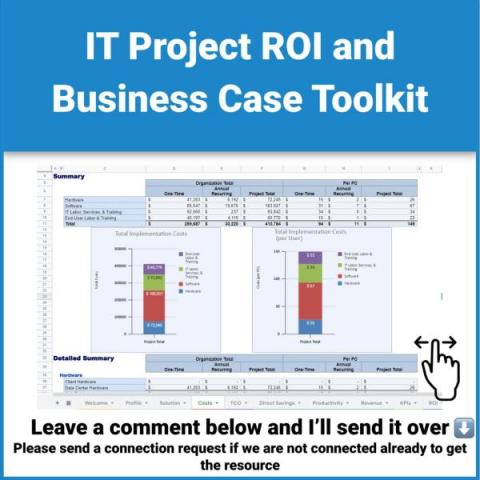
IT Project ROI and Business Case Toolkit

Only 29% of IT project implementations are successful, while 19% percent are considered utter failures (according to the Chaos report). Thus, organizations must take the time to assess, quantify, and communicate the costs, benefits, values, and ROIs of enterprise technology initiatives. So, to help you get started, here is a tool that supports both 30-minute and highly detailed assessments.

Log Management: Your Obvious Choice for Capacity Planning and Optimization

Recently, I wrote an article titled Life Cycle Monitoring: Why an Ounce of Prevention Is Worth a Pound of a Cure. The great Benjamin Franklin coined the term. In the article, I highlighted the value, efficiency, and logic of putting more time into a proper capacity planning and optimization process for all types of IT environments. Most IT professionals would tell you the first thing that comes to their mind when asked how they use log management tools is troubleshooting.

Momma Said Grok You Out: Use LogStream to Streamline Searches, Aid in Reformatting Data and Parsing

It is commonly believed that once data is collected and ingested into a system of analysis, the most difficult part of obtaining the data is complete. However, in many cases, this is just the first step for the infrastructure and security operations teams expected to derive insights.