Operations | Monitoring | ITSM | DevOps | Cloud

Metrics, Logs and Traces: More Similar Than They Appear?

This article was originally published in The New Stack and is reposted here with permission. They require different approaches for storage and querying, making it a challenge to use a single solution. But InfluxDB is working to consolidate them into one. Time series data has unique characteristics that distinguish it from other types of data. But even within the scope of time series data, there are different types of data that require different workloads.
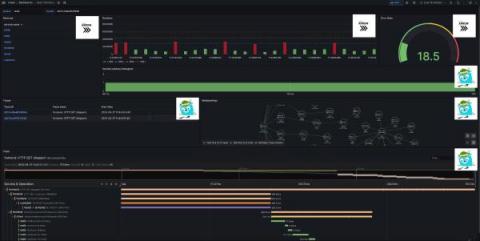

OpenTelemetry Tutorial: Collect Traces, Logs & Metrics with InfluxDB 3.0, Jaeger & Grafana

Here at InfluxData, we recently announced InfluxDB 3.0, which expands the number of use cases that are feasible with InfluxDB. One of the primary benefits of the new storage engine that powers InfluxDB 3.0 is its ability to store traces, metrics, events, and logs in a single database. Each of these types of time series data has unique workloads, which leaves some unanswered questions. For example: Luckily this is where our work within OpenTelemetry comes into play.

Why Incident Management is an Essential Part of Risk Management

In any operation or activity, unforeseen happenings can derail progress. The job of a good manager is to try their best to make the hitherto unforeseen visible and planned for. It’s all too easy to find yourself reacting to occurrences that can throw you and the company into turmoil, with frantic fixing on the back foot being the result. The best managers can make it look like they don’t do much.

How To Monitor MemoryDB with MetricFire

Memory databases are known for their ability to store and manage large volumes of data in memory. Their memory-based architecture allows users to quickly retrieve critical information and benefit from performant data reading. Thanks to these characteristics, businesses use memory databases for various applications that require prompt data access playing a vital role within their digital resources.

What is WebOps & How it Scales your Websites

If your organization is managing several websites, you’ll understand the challenges involved in keeping everything updated and running smoothly. Deployment, modification, and approval are time-consuming tasks—but the WebOps approach means they don’t have to be. So, what exactly is WebOps, and how does it help you scale your websites? Read on to discover more and learn how Upsun can help.

5 reasons why OVHcloud migrated its time series data to Grafana Mimir

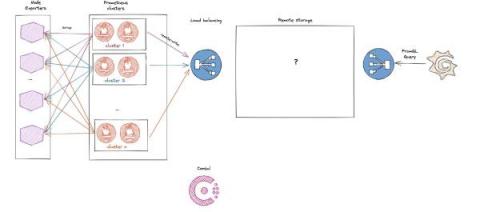
A sysadmin in the high performance computing world since 2008, Wilfried Roset is now working with the open source databases and observability environment at OVHcloud. He leads a team focused on building industrialized, resilient, and efficient solutions. For nearly two decades, OVHcloud has been a leader in cloud hosting and has been Europe’s largest provider since 2011. To serve our 1.4 million customers globally, we need a reliable and scalable observability platform.

ISO 27001 and Asset Management: What Does Annex A.8.1 Say?

ISO 27001 is the gold standard to follow for effective Information Security Management, and it is deeply related to IT Asset Management. In particular, the annex A.8.1 provides all the necessary information to manage your information assets properly. So, understanding the full scope of it is crucial to create an all-round ITAM strategy that will ensure all your assets are always fully protected.

The Platform Engineer Role Explained: Who Is a Platform Engineer?

Poorly designed infrastructure leaves your applications and networks vulnerable to cyberattacks and data breaches. This puts the company at significant risk: the average cost of a data breach reached a record high $4.35 million in 2022. This is where companies bring in platform engineers. A platform engineer is a professional who ensures that security protocols and best practices are in place to protect against potential security threats.

IT Asset Lifecycle Management: A Complete Guide for 2025

The concept of asset lifecycle management (ALM) has been at the forefront of enterprise operations for many years, and its importance is likely to continue in the coming years. ALM plays a crucial role in helping businesses manage the acquisition, maintenance, and disposal of their assets and resources. Companies that effectively manage their asset lifecycle will benefit from improved operational efficiency, higher ROI, and a reduced risk of downtime.