Operations | Monitoring | ITSM | DevOps | Cloud

Beyond Backend: Honeycomb for Frontend Observability is Now GA

Real user monitoring (RUM) tools are great if you want to give your developers a very high level view of the health of your frontend. But when it comes to actually debugging issues in your web app, you’re often left piecing together outputs from browser devtools, with details (if you’re lucky) from customer support tickets to replicate issues locally in hopes of identifying the source of the issue. Debugging Core Web Vitals (CWVs) to improve your scores can be even worse.

Real-Time Visualization for IIoT Data

With the increased adoption of the Industrial Internet of Things (IIoT), connected devices and sensors generate vast amounts of data, and you’ll need an effective way to capture, store, and visualize all of it. With effective data visualization and analysis, you can transform raw data into actionable insights and make informed decisions. This post will break down tools like Grafana, Node-RED, and time series databases, including their benefits to your IIoT workload.

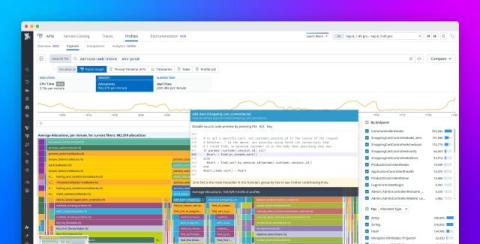
Optimize Ruby garbage collection activity with Datadog's allocations profiler

One Ruby feature that embodies the principle of “optimizing for programmer happiness” is how the language uses garbage collection (GC) to automatically manage application memory. But as Ruby apps grow, GC itself can become a big consumer of system resources, and this can lead to high CPU usage and performance issues such as increased latency or reduced throughput.

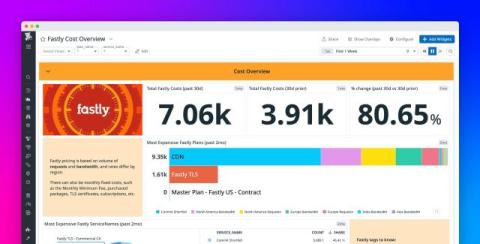
Get insights into service-level Fastly costs with Datadog Cloud Cost Management

As your organization scales its applications across many different cloud and SaaS providers, it becomes more challenging to understand your costs. You likely receive your bill at the end of the month, meaning you don’t have real-time visibility into who’s spending what and which services or applications your teams are spending the most on. Changing service costs also makes it difficult to break down your costs and identify what is driving spend, leaving you unable to take action.

Introduction to SNMP Monitoring: How It Works and Why It Matters

SNMP monitoring is ideal when a particular network is fully operational, and there is no problem with network instability. With it, the people who are overseeing networks are able to track various aspects of a network and access points, such as routers, switches, alerting systems, and servers, seamlessly. By passing SNMP-based management information among such devices, devices can track how things are going and resolve any problems.

What is Network Monitoring? Tools, Strategies, and Benefits Explained

Have you ever faced a situation where a sudden network outage or slowdown impacted your workday, leaving you wondering what could have been done to prevent it? Along with the many frustrations and risks that come with network downtime, this common scenario illustrates the importance of staying one step ahead in managing your network health. But what is network monitoring, and how can it help you address issues before they escalate into major disruptions?

How Telemetry Data Can Improve Your Operations

Telemetry data, at its core, is all about transmitting real-time information from remote sources to centralized systems for analysis and action. This data is super important across different industries due to its ability to provide immediate, actionable insights that enhance operations and strategic decision-making.

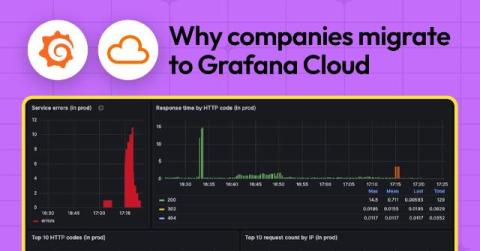
Lower observability bills, reduced MTTR, and more: why companies migrate to Grafana Cloud

There are a lot of factors that go into choosing an observability solution. And even after all that careful consideration, sometimes the platform you initially invest in doesn’t meet your needs, especially as your organization grows and evolves. For that very reason, we’ve seen users begin their observability journeys with another tool, and then decide to migrate to Grafana Cloud, our fully managed cloud-hosted observability platform.