Operations | Monitoring | ITSM | DevOps | Cloud

AI Agent for Incident Resolution: Combining Intelligence with Autonomous Actions

Incident management is a high-stakes function. IT operations teams and SRE teams may play different roles, but when a priority incident surfaces, it is often all-hands-on-deck to ensure it is resolved in minimal time. That’s because of the high impact of incidents-if not resolved in time, they can cascade and impact other IT systems, leading to downtime, business disruptions, monetary losses, and impacting brand value, compliance, and regulatory rules.

The Monitoring Blind Spot That Could Cost You Black Friday

With Black Friday and the holiday season looming, IT teams everywhere are bracing themselves for what is, year after year, the most daunting stress test of your entire service delivery chain. Under relentless peak demand, every link in your digital experience is scrutinized by customers whose tolerance for friction is at an all-time low. It’s not just about uptime, monitoring dashboards, or technical metrics.

Authentication Model in OpenTelemetry

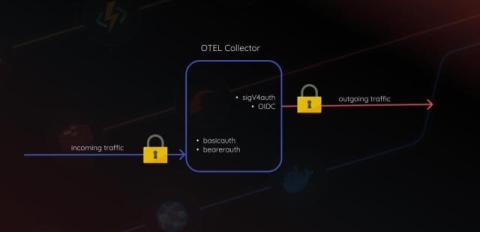
In any type of software that involves the movement of data or information, there is a pressing need to make the passage of data secure. One way of achieving this is by authentication. You must have experience authenticating API calls or other data streams. In modern systems, where even a small mishap can wreak havoc and you might wake up to a $$$ bill the next day, we should do whatever is within our capacity to secure our systems.

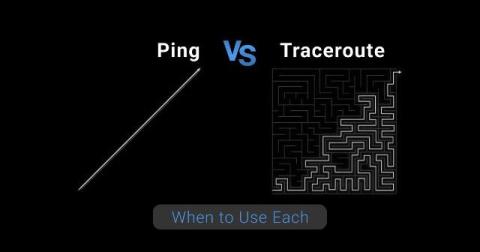
Traceroute vs. Ping: When to Use Each

Let’s talk about the most fundamental network diagnostic tools: ping and traceroute. These command-line utilities have been the backbone of network troubleshooting for decades, yet many IT professionals struggle to use them in the right context. Knowing which tool to use (and when) can mean the difference between a five-minute fix and hours of frustration. While both ping and traceroute help diagnose network connectivity issues, they serve distinctly different purposes.

Bridging partners in pursuit of agentic AI - Part 2: How leaders can position themselves for the future

From ecosystem foundations to future advantage In Part 1: Why partnerships matter for enterprise intelligence, we explored how enterprises are moving from experimentation to scalable impact with agentic AI and how ecosystems make that possible. But naturally, the next question is: Where do we go from here?

The Agentic Enterprise Needs a Nervous System

Over the weekend, when Salesforce introduced the concept of the Agentic Enterprise, it wasn’t defining a new market trend. It was signaling an inflection point. A moment when the conversation about artificial intelligence stopped being about tools and started being about trust. For the first time in decades, enterprise software isn’t simply enabling decisions. It’s making them. Systems are reasoning, choosing, and acting in real time across sprawling digital ecosystems.

How WWT Proves the Value of Agentic AIOps with LogicMonitor's Edwin AI

Agentic AI has entered day-to-day operations. Systems with the ability to act, learn, and adjust are already cutting noise, speeding remediation, and giving engineers time back for work that moves the business. In a recent webinar, Karthik SJ, General Manager, AI at LogicMonitor, and Mike Cervasio, Global Practice Manager, AIOps at World Wide Technology, explored what makes this new phase of AIOps actionable.

Amazon Isn't Eating Its Own DNS Dog Food

On October 19-20, 2025, Amazon Web Services (AWS) experienced a significant outage (AWS status) affecting its US-EAST-1 region in northern Virginia. The root cause was DNS resolution failures for DynamoDB’s API endpoints, which cascaded across AWS’s interconnected services, disrupting major platforms including Snapchat, McDonald’s, Disney+, Roblox, Coinbas, Reddit, and Amazon’s own services.

The Hidden Risk of DNS - Lessons from the AWS Outage & Why You Need DNS Spy Monitoring NOW

On October 20, 2025, much of the internet came to a halt. Apps wouldn’t load. Payments failed. Cloud dashboards went dark. From Fortnite to Alexa, Snapchat, and countless business platforms, users across the world were suddenly offline — all because DNS broke inside Amazon Web Services’ (AWS) US-East-1 region.