In order to manage complex containerized applications, modern devops teams need to have deep visibility into the status of their Kubernetes resources. By listening directly to the Kubernetes API, the open source kube-state-metrics service generates key metrics about your Kubernetes objects, including pods, nodes, and deployments, which are essential for understanding the status and performance of your clusters.
Single-page applications (SPAs) provide some significant benefits over multiple-page apps. For JavaScript developers using frameworks like React or Vue, they offer flexibility in moving application logic to the frontend, reducing the need for complex backend operations. For users, SPAs can provide a smooth experience with a highly interactive UI and fewer page loads. But, with increased sophistication, there are some tradeoffs.
Java memory analysis is an important process in checking the performance of a Java application. It helps Java developers ensure the stability of the application by checking the memory consumption. There are several factors to look into when doing memory analysis. But to get to the bottom of this process, it is vital to learn first how memory works.
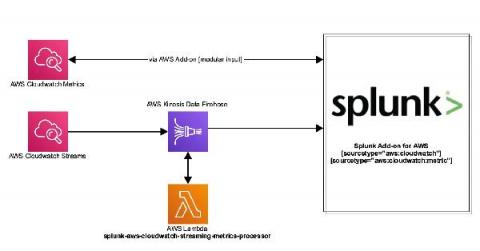
Amazon Web Services (AWS) recently announced the launch of CloudWatch Metric Streams. Cloudwatch Streams can stream metrics from a number of different AWS resources using Amazon Kinesis Data Firehose to target destinations. The new service is different from the current architecture. Instead of polling, metrics are delivered via an Amazon Kinesis Data Firehose stream. This is a highly scalable and far more efficient way to retrieve AWS service metrics.
What do Google’s DevOps Research and Assessment (DORA) and Rollbar have to do with each other? DORA identified four key metrics to measure DevOps performance and identified four levels of DevOps performance from Low to Elite. One way for a team to become an Elite DevOps performer is by focusing on Continuous Code Improvement.
“Well it works on my machine.” – The age-old catchphrase that developers used when the tester found an intermittent defect, today it’s often used when people run a Google Lighthouse test on their machine and it ends up showing wildly different results to what is being reported by the team.
Your feedback, current trends, and a good chunk of innovation are what shapes the current and future face of our solution. Read on to find out what is coming in 2021.
As promised, we’re back with other monthly updates! We’ve been swamped with different tasks during the last month, so let’s jump right into it.