Operations | Monitoring | ITSM | DevOps | Cloud

Monitor Windows without an Icinga Agent

Looking to monitor your Windows systems with Icinga, but aren’t allowed to install non-Microsoft certified software on them? Then you are in the right place. After all, you want to monitor your systems somehow. But you don’t want to lose the support from MS afterwards, just because you installed a monitoring system on it. Well, today I will show you how to monitor your Windows without having to install the Icinga agent.
What We Learned About Enterprise Cloud Services From the 2021 Azure Outage

Azure, AWS, and GCP cloud services are invaluable to their enterprise customers. When providers like Microsoft are hit with DNS issues or other errors that lead to downtime, it has huge ramifications for their users. The recent Azure cloud services outage was a good example of that. In this post, we’ll look at that outage and examine what it can teach us about enterprise cloud services and how we can reduce risk for our own applications.

LogicMonitor Expands AIOps Investments with Acquisition of Dexda

SANTA BARBARA, Calif., June 30, 2021 – LogicMonitor, the leading cloud-based infrastructure monitoring and observability platform for enterprises and managed service providers, today announced it has acquired Dexda, a big data and machine learning predictive fault identification company.

What Is the Future of Remote Infrastructure Management?

Once upon a time, the prospect of an organization letting another organization manage its IT infrastructure seemed either inconceivable or incredibly dangerous. It was like someone handing their house keys to a stranger. Times have changed. Remote Infrastructure Management (RIM) — when Company X lets Company Y, or a piece of software, monitor and manage its infrastructure from a remote location — has become the standard in some industries.

PHP Workers: Everything You Need To Know

When you are on the lookout for a hosting plan or web hosting solution for your websites, you must choose a hosting solution that matches your website’s needs and requirements. The hosting plan you choose must provide the required storage space, bandwidth, and other resources that easily accommodate your website’s traffic without any performance lag or other issues.

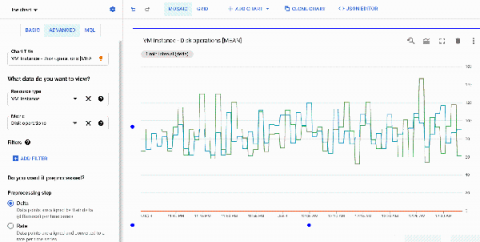
New in the Google Cloud Monitoring data source plugin for Grafana: sample dashboards, deep linking, more

More than two years ago, the Google team began collaborating with Grafana Labs to build a data source plugin for Google Cloud Monitoring (then known as Stackdriver). Today, Grafana ships with built-in support for Google Cloud Monitoring, allowing users to add it as a data source and quickly get started building dashboards for Google Cloud Monitoring metrics. We’ve continued to make improvements on the plugin, and we’ll share in this blog post a few new features we’ve built.

Introducing Live Tail

At observIQ, we pride ourselves on delivering simple and powerful functionalities, quickly. We’re excited to announce the addition of Live Tail to the observIQ featureset. Live Tail emulates the terminal experience, giving you the ability to analyze, visualize and debug live – all in a single place. Never be worried about what the outcome of your deployment will be because Live Tail lets you troubleshoot, react and reassess issues in your deployment in real-time.

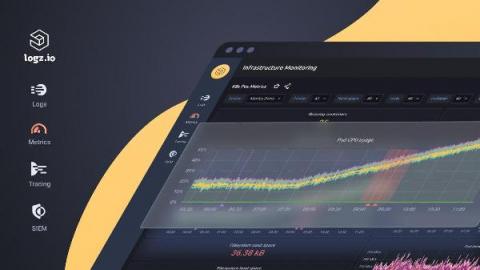
Introducing Logz.io's New Lookz!

When Logz.io was founded in 2015, we set out to simplify logging with the ELK Stack by delivering Elasticsearch and Kibana as a managed cloud service. But logs only tell part of the story – DevOps teams also need metric and trace data to better monitor the health and performance of their environment and quickly pinpoint the root cause of new problems. Importantly, using multiple tools to collect and analyze this data adds complexity and extra work.

How to Monitor and Optimize Your Database Performance: A Practical Guide

It’s important to be able to look at the entirety of your application architecture, not just specific aspects of it, and understand how different parts connect. Observability comes first, followed by monitoring. In this post, we’ll dive into the database part of your architecture to show how you can monitor and optimize your database performance.

Featured Post

The Technologies Every IT Professional Needs to Consider in 2021

Most organizations make annual predictions for the year ahead, but 2021 is different. The past 12 months obviously proved incredibly unpredictable, but this year we already know the world has changed. IT, in particular, has needed to move quickly to support a widespread shift to supporting remote workers. One month into 2021, and we're already seeing the trend continue, and it looks likely to be the same in the years to come.