Operations | Monitoring | ITSM | DevOps | Cloud

Observability: The 5-Year Retrospective

Two years ago, I wrote a long retrospective of observability for its third anniversary. It includes a history of instrumentation and telemetry, a detailed explanation of the technical spec, and why the whole “three pillars” thing is nonsense. At the time, it’s what was needed to steer conversations away from silly rabbit holes about data types and back to what matters: how we understand our systems.

Catchpoint Digital Experience Score Is An Industry-First

Catchpoint recently announced the Digital Experience Score. This score is the first all-encompassing metric to represent all essential drivers of digital end-user experience. With pressure on IT teams ever growing to fix the IT issues of a remote workforce, we wanted to make troubleshooting as straightforward as possible. The score provides IT teams tasked with improving employee experience with a quantifiable measurement of what each employee is experiencing digitally.

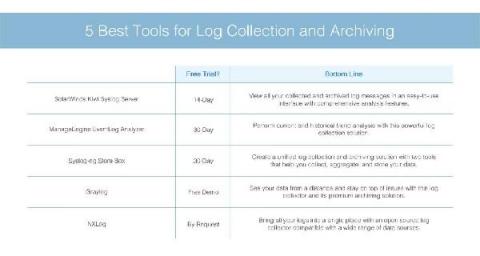
5 Best Tools for Log Collection and Archiving With Guide

Collecting and archiving logs is an essential practice for any organization looking to maintain the performance and security of their network. Logs are like a diary for your devices. They record every message sent from any of your network systems. This information can prove essential for everything from understanding the daily activities of your infrastructure, to improving functionality across your platforms, to identifying and troubleshooting issues.

NodeJS Application Manual Instrumentation for Distributed Traces

In this blog series, we are covering application instrumentation steps for distributed tracing with OpenTelemetry standards across multiple languages. Earlier, we covered Java Application Manual Instrumentation for Distributed Traces, Golang Application Instrumentation for Distributed Traces, and DotNet Application Instrumentation for Distributed Traces. Here we are going to cover the instrumentation for NodeJS.

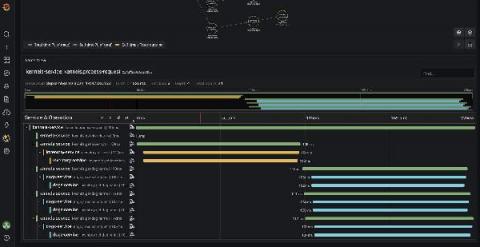
Intro to distributed tracing with Tempo, OpenTelemetry, and Grafana Cloud

I’ve spent most of my career working with tech in various forms, and for the last ten years or so, I’ve focused a lot on building, maintaining, and operating robust, reliable systems. This has led me to put a lot of time into researching, evaluating, and implementing different solutions for automatic failure detection, monitoring, and more recently, observability. Before we get started: What is observability?

How to monitor Redis with Prometheus

Redis is a simple – but very well optimized – key-value open source database that is widely used in cloud-native applications. In this article, you will learn how to monitor Redis with Prometheus, and the most important metrics you should be looking at. Despite its simplicity, Redis has become a key component of many Kubernetes and cloud applications. As a result, performance issues or problems with its resources can cause other components of the application to fail.

How to Monitor Multiple Websites With Uptime.com

Monitoring a website can already mean hundreds of checks on all sorts of different pathways, URLs, and other services. Monitoring multiple websites is an ever growing web that can make you start to feel like you’re trapped in an episode of Law & Order. The format of the show (I am talking about the real Law & Order, not its offshoots) involves the crime from occurrence to trial outcome and every beat and interrogation in between.

3 ways OpUtils' IP address tracker fosters effective IP management

How a network’s IP address space is structured, scanned, and managed differs based on the organization’s size and networking needs. The bigger your network is, the more IPs you need to manage, and the more complex your IP address hierarchy gets. As a result, issues such as IP resource overutilization and address conflicts become challenging to avoid without an IP address management (IPAM) solution in place.