Operations | Monitoring | ITSM | DevOps | Cloud

How Rush Capped Time to Resolution by Integrating Sentry With Their With CI/CD Pipeline

Rated as the top order tracking and revenue generation app on Shopify, Rush lets businesses build and personalize their own dashboards to manage the post-sale process with real-time data, custom product recommendations, and user feedback. Their business model focuses on low touch and user-centered design (UCD), which leaves little room for issues impacting how people interact with the platform.
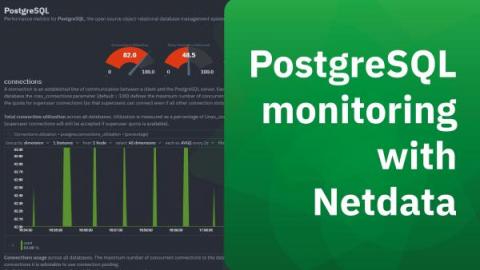
PostgreSQL Monitoring with Netdata

PostgreSQL is a popular open source object-relational database system designed to work for a wide range of workloads from single machines to data warehouses to web services with many concurrent users. PostgreSQL runs on all major operating systems and is used by teams and organizations across the world, including Netdata. If you are using PostgreSQL in production, it is crucial that you monitor it for potential issues. And the more comprehensive the monitoring the better!

An Introduction to GitOps and Argo

In an ideal world, developers would be able to release new products and features from development environments into production extremely fast while also not having to stress about breaking prod. Achieving this combination of development speed while also maintaining software reliability requires having the right toolchain and automation in place.

Measuring cloud cost efficiency for FinOps

Public cloud can deliver significant business value across infrastructure cost savings, team productivity, service elasticity, and DevOps agility. Yet, up to 70% of organizations are regularly overshooting their cloud budgets, minimizing the gap between cloud costs and the revenue cloud investments can drive.

GitOps your service orchestrations

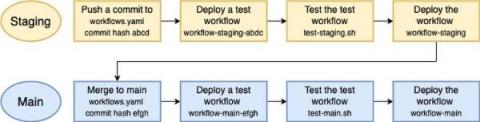
GitOps takes DevOps best practices used for application development (such as version control and CI/CD) and applies them to infrastructure automation. In GitOps, the Git repository serves as the source of truth and the CD pipeline is responsible for building, testing, and deploying the application code and the underlying infrastructure. Nowadays, an application is not just code running on infrastructure that you own and operate.

Grafana Cloud Metrics: A guide to what metrics to monitor and best practices

Metrics are the cornerstone of an observable system – they tell you a system’s measured outputs, granting visibility into what your customers are experiencing and when there’s a problem. However, not all methods for recording and saving metrics from a system’s output are alike. The best method for shipping your system’s metrics to Grafana Cloud depends on many factors, varying from the source of your metrics data to your familiarity with observability tools.

What is DevOps? A Comprehensive Guide

The term DevOps is a combination of the words “development” and “operations.” In practice, DevOps is a collaborative approach to the work that is performed by an enterprise’s IT operations staff and their application developers. Collaboration and communication between these two teams, who might otherwise function separately, are meant to increase the speed and quality of product or application releases.

What is AIOps? A beginner's guide

Artificial Intelligence for IT Operations (or AIOps for short) continues to be a hot topic among developers, SREs, and DevOps professionals. The case for AIOps is especially crucial given the expansive nature of today’s observability efforts across hybrid and multi-cloud environments. As with most observability platforms, it all starts with your telemetry data: metrics, logs, traces, and events.

Welcome to Splunk Secure Gateway 3.0

Splunk Mobile puts the power of Splunk in your hands. But with great power, comes great responsibility. That’s why this year with the release of Splunk Enterprise 9.0, we’ve shipped Splunk Secure Gateway (the backend service that powers Splunk Mobile) with even more features and tools to help you responsibly manage your mobile fleet.

Managing Cloud Cost Anomalies for FinOps

Cloud cost anomalies are unpredicted variations (typically increases) in cloud spending that are larger than expected based on historical patterns. Misconfiguration, unused resources, malicious activity or overambitious projects are some of the reasons for unexpected anomalies in cloud costs. Even the smallest of incidents can add up over time leading to cost overruns and bill shock.