Operations | Monitoring | ITSM | DevOps | Cloud

Key MongoDB metrics to monitor using Applications Manager

MongoDB is an open-source NoSQL database management system that stores data in JSON-like documents and works without a schema. It’s a flexible, cross-platform database solution that uses a document-oriented architecture to store and retrieve data, and it’s known for its high scalability, performance, and fault tolerance. MongoDB monitoring is the process of tracking the health and performance of MongoDB servers to ensure high availability and to easily maintain MongoDB deployments.

Leveraging Technology to Streamline Asset Management: The Role of Automated Tools in Fire Extinguisher Compliance for Businesses

In a business environment, efficient asset management is not just necessary but a strategic imperative. The fire extinguisher is a vital asset that often goes unnoticed yet is critical in ensuring safety and compliance within any business operation. Maintaining compliance with these essential devices entails rigorous tracking and adhering to a fire extinguisher inspection checklist. This needs regular inspections and timely maintenance, tasks that can quickly become cumbersome without the right tools. Fortunately, the dawn of technological advancements offers a beacon of hope.

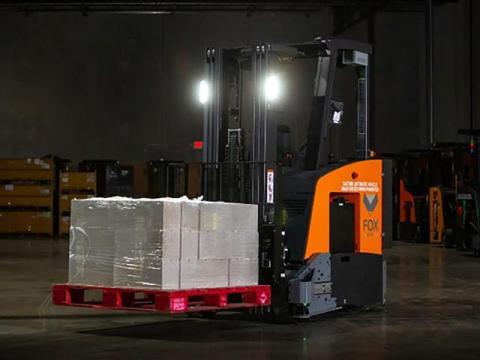
How Do Logistics and Transportation Challenges Affect Global Electronic Distribution Efficiency?

Global electronic distribution faces numerous challenges originating from logistics and transportation issues. These difficulties provide challenging problems affecting efficiency and profit. Global conflicts like the Russian attack on Ukraine majorly affected intercontinental trade resulting in New challenges for transportation and logistics.

Unlocking Business Potential with Product Intelligence Platforms

In today's competitive market landscape, businesses are increasingly turning to data-driven approaches to inform their strategic decisions and drive growth. Product intelligence platforms have emerged as powerful tools that enable companies to harness the vast amounts of data generated by their products and turn it into actionable insights. In this article, we will explore how these platforms empower businesses to make informed decisions and optimize their product strategies.

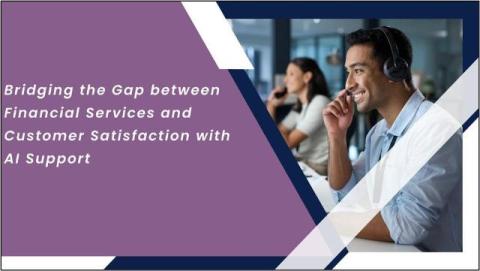
How Tech Is Changing The Financial Services Industry

The digital era has marked an exciting era in financial services industry history, ushering in rapid change and disruption. From blockchain to artificial intelligence (AI), technological innovations are revolutionizing the financial services landscape and providing unprecedented opportunities and challenges for fintech enthusiasts and financial advisors. This blog post highlights key ways technology is impacting this sector while exploring its impacts and implications professionally.

Load Balancing - What Is It and How Does It Work?

There is a greater need than ever to ensure seamless web application performance. One of the foundational components ensuring this smooth operation is load balancing. While the term might sound technical, its concept is simple and vital for maintaining an uninterrupted online user experience. This article will explore load balancing's various algorithms and types and their significance in modern web infrastructure.

Devart dbForge Product Line and SecureBridge Join the 2024 DBTA Readers' Choice Awards Contest

We are thrilled to announce that Devart products participate in the DBTA Readers’ Choice Awards 2024, a yearly worldwide contest held by DBTA magazine that features the best solutions for database connectivity, development, and administration. The Devart team works non-stop to provide you with the best-in-class products, and we look forward to seeing them win this year. Check the list of our solutions and make sure to support them!

Why we've open sourced our secure SDLC process template

One of the big things we’ve learned since starting Kosli is that engineers often struggle to define an SDLC for compliance purposes. That doesn’t mean they don’t know how to deliver secure, quality software. They’ve just never had to actually define a process for how they do it. Perfectly capable engineers can spend years shipping great products and features without ever having to properly define and standardize their SDLC.