Operations | Monitoring | ITSM | DevOps | Cloud

The latest News and Information on Monitoring for Websites, Applications, APIs, Infrastructure, and other technologies.

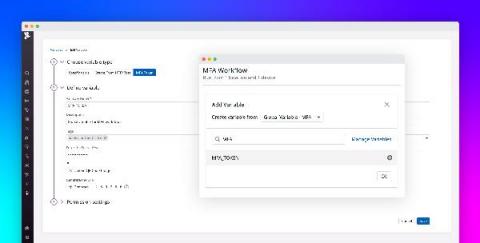
Introducing multi-factor authentication in Datadog Synthetic tests

Multi-factor authentication (MFA) is an increasingly popular method for securing user accounts that requires users to provide two or more pieces of identifying information when logging into an application. This information can consist of unique verification links or codes sent to the user’s phone or email address, as well as time-based one-time passwords (TOTPs) generated by authenticator applications or hardware.
Sponsored Post

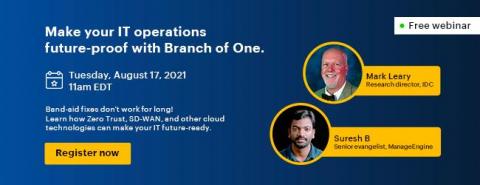
Webinar featuring IDC's Mark Leary: Make your IT operations future-proof with the Branch of One architecture

At the start of the pandemic, IT organizations had to undergo radical changes to support remote work. Given the urgency to shift to remote operations, IT admins opted for band-aid solutions to retain business continuity and stay connected to the core of their networks from remote locations. But now, many organizations are moving toward hybrid workforce options with employees choosing to work from both their home and office locations.

Apache Monitoring: Best Tools and Key Metrics to Track Web Server Performance

The Apache HTTP Server (httpd) is a widely used, open-source web server application. Because you can easily customize it through modules, it has become the go-to choice of both individuals powering their personal blogs and enterprises running high-traffic websites and web apps. It’s a well-known fact that with high traffic, the performance of Apache web servers can take a hit, experiencing bottlenecks as your traffic scales up, which will lead to delayed responses.

A Complete Guide to Understand HTTP Status Codes

whenever we go to a website, whether it's an online store to buy clothes or to check the status of our bank account, we need to type the URL into the browser. When you click on the relevant page, a request is sent to the server, and the server always responds with the HTTP three-digit code. This HTTP status code tells us if our request was successfully completed or whether there was an error that prevented the server from serving the content that users or visitors were trying to access.

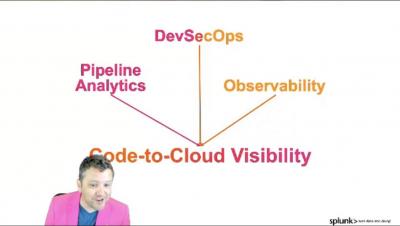
Dissecting DevOps - Code-to-Cloud Visibility: The Framework for DevOps Success

Recording from the DevOps.com webinar Code-To-Cloud Visibility where Splunker Chris Riley covers the key concepts to maintain visibility from the point a feature is defined to the point that feature runs in production. Learn about the practices of DevSecOps, Pipeline Analytics, and Observability. And why a Code-To-Cloud strategy is necessary to support and accelerate Cloud and DevOps transformation.

Assessing the Quality of Service from ISPs

Before you can achieve access to any cloud service a connection to the internet is required. Sounds simple enough, however, the challenge lies not only with the internet connection itself, but the provider of the service as well. Not all internet service providers (ISPs) and pathways to the internet are created equally which makes assessing and understanding the quality of the service you’re on a critical step toward maintaining business productivity.

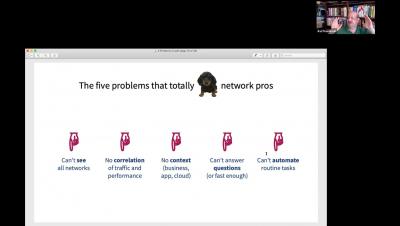
Five Problems Your Current Network Monitoring Can't Solve but Network Observability Can

Public and hybrid cloud has led to a new era of agility, scale and performance, particularly for the networking that underlies enterprise applications. Yet, more than 80% say their network monitoring hasn’t kept up with major problems that need to be solved. A new approach is required – it’s network observability. Join Kentik co-founder and CEO Avi Freedman as he discusses how to reduce networking issues and risks while continuing to allow your organization to innovate at the speed of cloud.

Why You Should Stop Hoarding Metrics

Serverless lets you deploy applications far away in a data center of a cloud provider. This relieves you of the lion’s share of operational burdens. The more you buy into your cloud provider’s ecosystem, the less you have to do yourself: no more OS updates or database bugfix installations. But you still need to do some operation-related work on your own. For instance, monitoring your application to know what’s going on in that far away data center.