Operations | Monitoring | ITSM | DevOps | Cloud

How to Select the Right Software by Engaging Stakeholders

Stakeholder analysis in software selection involves a systematic approach to identifying, analyzing, and managing the needs and expectations of stakeholders. Engaging diverse stakeholders, including end-users, IT staff, and executive sponsors, is crucial during the software selection process. This ensures a comprehensive understanding of requirements and impact.


Deciphering Distributed Systems: A Complete Guide to Monitoring Strategies

Distributed systems allow projects to be implemented more efficiently and at a lower cost, but require complex processing due to the fact that several nodes are used to process one or more tasks with greater performance in different network sites. To understand this complexity, let’s first look at its fundamentals.

5 Edge Computing Examples You Should Know

In the fast-paced world of technology, innovation is the key to staying ahead of the curve. As businesses strive for efficiency, speed, and real-time data processing, the spotlight is increasingly turning towards edge computing. Edge computing represents a paradigm shift in the way data is processed and analysed. Unlike traditional cloud computing, which centralises data processing in distant data centres, edge computing brings the processing power closer to the source of data.

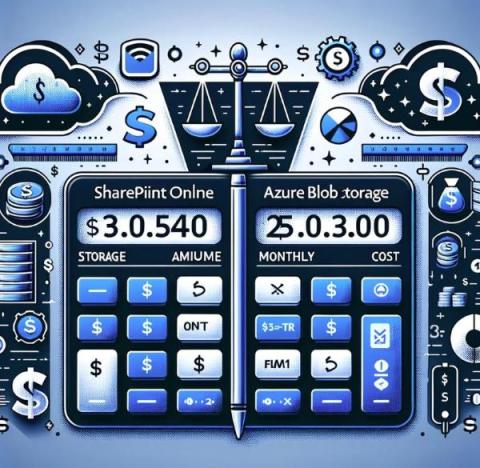
SharePoint vs Azure Blob Storage Cost Calculator

In today’s data-driven world, the choice of data storage solution is crucial for businesses of all sizes. Microsoft SharePoint and Azure Blob Storage are two powerful services that cater to the diverse needs of storing, managing, and accessing data. But with different pricing models and features, deciding which service offers better value for money can be challenging. This post explores the cost structures of SharePoint and Azure Blob Storage to help you make an informed decision.

Internet VPN Performance Troubleshooting For Multi-Site SMBs with Obkio's Basic Plan

At Obkio, we frequently get asked the question by potential customers: "Which plan do I need?". So we decided to share the perfect use case to provide clarity. What better way to illustrate the capabilities of our Basic Plan than by showcasing a real-life scenario of a multi-site SMB taking advantage of it?

The Evolution of Business: Why Mobile Apps are the Future

In the digital age, the business landscape has been profoundly transformed by the advent of mobile technology. With smartphones becoming ubiquitous, mobile apps have emerged as essential tools for enterprises looking to thrive in a competitive market. They serve not only as direct marketing channels but also as platforms for customer engagement and personalized services, heralding a new era in which agility and accessibility are key to business advancement.

Comprehensive Metrics in the SaaS Industry: 7 Reasons Why They Matter

Understanding comprehensive metrics in SaaS is crucial for your success in the industry. These numbers are more than just data; they offer insights into customer behavior, product performance, and operational efficiency. By embracing the importance of these metrics, you can drive better decision-making, ensure customer satisfaction, and promote sustainable growth. Let's dive into why these metrics are indispensable to your business strategy.

Data Lakes: A Comprehensive Guide

Whether you’re a Data Engineer, DevOps, Cloud Architect, or a Business Intelligence Professional, Data Lakes are indispensable tools for harnessing the power of big data, enabling advanced analytics, and driving informed decision-making across your enterprise. Back in the 90s, the internet boom led to an unprecedented expanse of data. This led to a gaping demand for better data storage solutions.

10 Most Common Kubernetes Reliability Risks

Reliability risks are potential points of failure in your system where an outage could occur. If you can find and remediate reliability risks, then you can prevent incidents before they happen. In complex Kubernetes systems, these reliability risks can take a wide variety of forms, including node failures, pod or container crashes, missing autoscaling rules, misconfigured load balancing or application gateway rules, pod crash loops, and more. And they’re more prevalent than you might think.