The latest News and Information on DevOps, CI/CD, Automation and related technologies.
The AIOps market is growing wildly, and with that comes a plethora of AIOps solutions. Not all AIOps companies are created equal. We are here to help with our list of the top 10 innovative AIOps companies.
In my interactions at industry events like AWS re:invent and KubeCon, I talk with a lot of developers. Devs often tell stories of things that prevent them from working quickly and efficiently. Many involve frustrating interactions with sys admins, SREs, or DevOps colleagues. One story I have heard several times involves a conversation like this: dev: Hey, SRE team. My build is failing and I don’t know what’s happening with the app in the build node.
If you’ve been building client websites for a while, you may remember a time before WordPress. A time when building websites meant creating every HTML page by hand. At some point, you probably decided that there were common features that every customer needed on their site, so you started using one customer’s website as the template for the next. Of course these days, WordPress is the underlying software for many modern websites, and there’s no need to re-invent core functionality.
Persistent storage is one of the more difficult aspects of managing distributed systems. When we attach a storage device to a host—whether it’s flash storage, network attached storage (NAS), or old fashioned spinning disks—we generally don’t give it much thought until we start running distributed applications or need to increase capacity. But there’s more that can go wrong with storage, and this can have unexpected consequences for our systems, services, and applications.
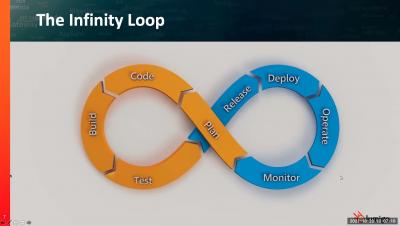
For decades, the development and operations teams within companies were siloed. Developers created the software. Operations tested and deployed it. But in 2009, IT consultant Patrick Debois coined the term “DevOps,” a merging of development and operations to improve communications, establish best practices and create feedback loops for organizations to keep improving the overall process.
Have you ever written a Hello, World! application? In most of these tutorials the first step is to log words to the console. It's an easy way to understand what is going on with your application and readily available in every programming language. The console output is incredibly powerful, and it has become easier than ever to capture that output as logs. As your application grows and evolves you need to implement a structured application log approach.
Kotlin is one of the most versatile programming languages available, in large part because of the Kotlin team’s focus on bringing it to as many platforms as possible. It is the primary language for developing Android applications and is popular for JVM backends. Kotlin also features targets for native binary compilation with Kotlin/Native, and for web through Kotlin/JS. One of its most promising features is the ability to target multiple platforms it compiles to.
xMatters is part technology, part service reliability, and a little bit of magic. If you’ve spent time on the xMatters website, you’ll likely have seen a number of valuable use cases for the platform—it can alert SREs when there’s a website outage, it can accelerate product development for DevOps teams, it can manage on-call schedules and alerts for support teams.