Operations | Monitoring | ITSM | DevOps | Cloud

The latest News and Information on DevOps, CI/CD, Automation and related technologies.

Sponsored Post

Incident Management Software for 2025: Revolutionizing Efficiency in Crisis Handling

With the growing reliance on technology and complex IT infrastructures, having a robust Incident Management software is no longer a luxury but a necessity. As we step into 2025, organizations are seeking more sophisticated, intuitive, and scalable solutions to streamline their Incident Response Workflows and ensure uninterrupted service delivery.

9 Best Incident Response Tools (Plus 4 Open-Source Options)

I’ve curated a list of 9 best incident response tools, plus 4 open-source options for you. But first, a quick note: Many people mix up alerting, monitoring, and incident response. Incident response is what you do after receiving an alert. It includes alert acknowledgment, escalations, incident communication, post-incident analysis, and response automation. Yes, some of these (incident communication and post-incident analysis) overlap with incident management.

Kubernetes Is Powerful-But It's Slowing You Down. Here's How to Fix It.

Ask any SRE what slows them down in a Kubernetes incident, and the answer is usually too much information in too many different places. Kubernetes has changed the way we run software. It’s given us incredible flexibility, scalability, and power. But in the years I’ve worked in cloud operations and platform engineering, I’ve also seen how that power comes at a price: complexity.

Developing Modules for Puppet and the Forge in 2025

Since announcing changes to our OSS plans as well as introducing the new licensing starting with PDK 3.5.0, the team has received questions from the community around how the changes will affect them. In this article, we’ll highlight some helpful resources about how you can develop and contribute to modules on the Forge and ensure compatibility with Puppet Core and Puppet Enterprise.

SQS Vs. SNS: Choosing The Right AWS Messaging Service

Picture this. You recently shipped a new feature, and things were working smoothly — until they didn’t. Now, one service is timing out. Another is overloaded. You dig in and realize the issue is with how your systems communicate. Messages are not arriving when or where they should. Your team had set up Amazon SNS for notifications and Amazon SQS for processing tasks. But somewhere along the way, the difference between SQS vs. SNS (and how they’re wired together) got lost in translation.

FinOps Is Not A Side Hustle

When rideshare drivers talk about a “side hustle”, they mean working a few hours on weekends to make extra cash. That’s fine for pocket money, but it’s catastrophic when the “hustle” is controlling your cloud and AI spend. Right now, too many companies run FinOps the way they run the office coffee pot: A volunteer refills it when things look empty.

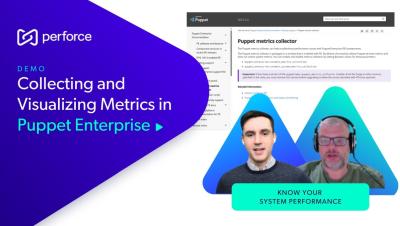
Collecting and Visualizing Metrics in Puppet Enterprise

This walkthrough covers how to enable and leverage metrics collection in Puppet Enterprise for monitoring and troubleshooting your Puppet infrastructure. Presented by Barr Iserloth and Tony Green learn how to activate metrics logging, integrate with visualization tools like Grafana, and diagnose Puppet Server, PuppetDB, and system-level behaviors with real-time observability.

Rancher Live: What is Developer Advocacy?

Join us for an engaging Rancher live stream hosted by Orlin Vasilev, as we dive into the world of Developer Advocacy—what it really means, why it matters, and how it's evolving in the cloud-native space. Orlin will be joined by two powerhouse guests in the field: Jorge Castro – a community strategist and long-time open source advocate, known for his work with Kubernetes and cloud-native ecosystems. Jorge brings deep insights from years of building developer communities and bridging the gap between engineers and users.

The Second Wave of Private Cloud

Over the past decade, the public cloud became the default way to run software. Its flexibility, on-demand pricing, and global reach made it the obvious choice for many teams. Startups could move fast, and enterprises could avoid long procurement cycles and complex hardware management. As teams gain more experience with cloud infrastructure, unintended consequences start to rear their costly heads. Bills grow quickly and are difficult to predict.