OpsRamp at the AWS Startup Showcase
Hear from Jordan Sher and Michael Fisher as they discuss the modern definition of application availability in a hybrid, multi-cloud world.


Grafana is as open source analytics and interactive visualization application. You can connect different data sources to display chart and graphs or even trigger alerts. Wouldn’t it be great to add information about SIGNL4 alerts or about who is on call as part of your dashboard? In this case you immediately get an overview about open, acknowledged, and closed alerts per category. Of you can see wo it currently on duty. Here is an example with a who-is-on call, and an alert overview panel.
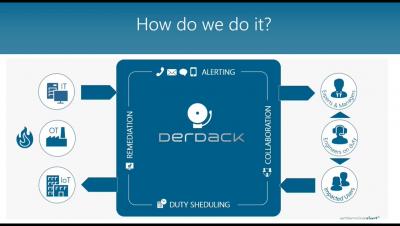
“Thanks to Enterprise Alert and the acknowledgement function, we can track the alerting and response digitally and have the certainty that our employees always take care of incidents in our critical IT infrastructure in a timely manner. IT alerting with Derdack, which has to be documented according to BaFin KRITIS, is highly reliable.”, Markus Reusch, Product Owner Monitoring, Debeka
While more businesses are moving their apps to the cloud, they must also ensure that cloud-based services such as Amazon Web Services (AWS) and other resources remain available. So, how can you make sure these cloud services aren't turned off? You can accomplish this using a tool like Amazon CloudWatch, which monitors applications. What is AWS CloudWatch will be the subject of this article.
WALTHAM, Mass., Nov. 3, 2021 — OnPage Corporation, a Boston-based incident management company, today announced the availability of new integrations with leading single sign-on (SSO) solutions Okta and OneLogin. The latest integrations allow for a secure authentication process when users log in to the OnPage system using their SSO account credentials.
Our November update introduces new team settings and, along with them, entirely new options for escalating Signls. This will allow you to make your incident response even more reliable. One application is to create a ‘managers on duty’ teams with full duty scheduling capabilities and escalate missed Signls to such 2nd level response team. As always, you can find all the details in this article.
Time is of the essence when identifying and resolving issues in your software. The longer it takes for a fix to be deployed, the greater the consequences for your customers. Visibility and speed are core to what makes Raygun powerful and is why today we're excited to continue this journey with our latest feature - Alerting.
To give you enough notice to fix an issue before it escalates, we’re evolving our alerts and making them more proactive with Change and Crash Rate Alerts. So when your application experiences a change from the norm or a dip in crash-free sessions, Sentry will (smartly) alert you via Slack, Teams, PagerDuty, or old-fashioned email.