Mailchimp
Not subscribed to OpsMatters Newsletter


The FEMA Incident Command System responds to wide area disasters like an earthquake, fire, flood, hurricane, and tornado, while ITIL is used for digital services and applications. In large organizations, there is the facilities team and the data center team. FEMA is associated with the facilities team and ITIL with the smaller data center team. What characteristics are shared between the two and what are the main differences?
Active directory (AD) can be an essential component of an IT infrastructure. In fact, active directory is used by about 90% of Global Fortune 1000 companies. AD is a directory service that’s provided by Microsoft and runs on Windows servers. What makes Azure AD unique is that it’s a specific Microsoft product. Azure AD is not the only directory solution available, so how do you know if it will fit your business’s IT needs?
As Kubernetes becomes increasingly integrated across IT environments, organizations are growing more ambitious in how they use the technology, building established use cases like infrastructure management and microservices into new and ambitious fields like machine learning and edge computing. Is Kubernetes ready for this new era? What obstacles still lie in the way that risk slowing growth? Our Kubernetes State of Play for 2022 sought to answer these questions and more.
Managed services and serverless deployments have become increasingly popular tools in the software development process. This means that organizations are focusing less on infrastructure resources and more on the functionality and security of applications. Managed services—such as the applications like DynamoDB, Step Functions and API Gateway that are crucial to serverless architectures—come with associated costs.
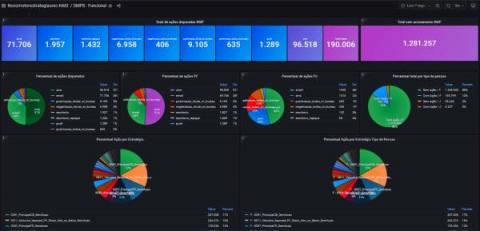
Brazil’s Banco Itaú is the largest bank in Latin America, so when performance and uptime issues impact its applications, the reverberations can be massive. “It can impact the whole economy of Brazil. It can damage other banks’ business too,” Ana Paula Genari Martin, SRE manager at Banco Itaú, said in her recent ObservabilityCON talk. And keeping those applications running is no small feat, considering the size of their digital operations.
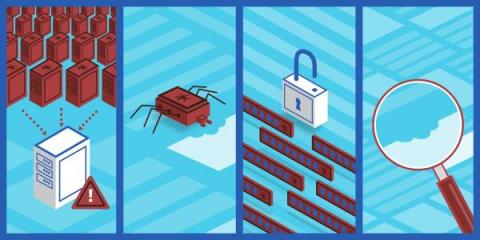
For infrastructure administrators tasked with ensuring the reliable operation of their applications, the thought of a lurking cyberattack can be one to lose sleep over. An attack on your system and the services you provide could render your applications unresponsive, resulting in a security breach, or loss of data.