Mailchimp
Not subscribed to OpsMatters Newsletter


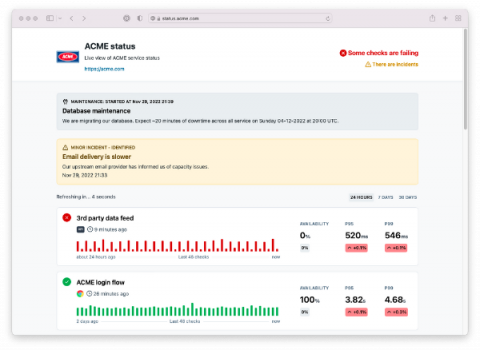
Over the last few years, many customers have asked us to update our current public dashboards with new features so they can more effectively communicate what is happening with their checks to external customers or internal users. We’ve taken that input to heart, and we’re pleased to announce the availability of redesigned dashboards for Checkly.
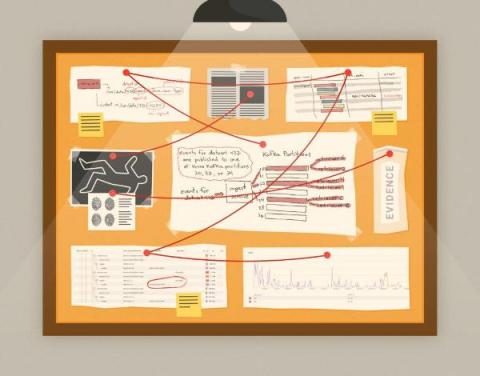
Bugs can remain dormant in a system for a long time, until they suddenly manifest themselves in weird and unexpected ways. The deeper in the stack they are, the more surprising they tend to be. One such bug reared its head within our columnar datastore in May this year, but had been present for more than two years before detection.
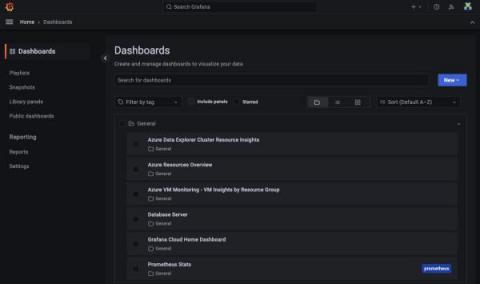
As Grafana has grown from a visualization platform to an observability solution, we’ve added many tools along the way. These tools are dedicated to help you throughout the software development life cycle, whether you are trying to prevent incidents, you are monitoring your application or infrastructure, or if you are in the middle of an incident.
When you’re facing a cyberattack, waiting even just minutes to respond could be the difference between business as usual and a calamity. It may only take that long for threat actors to exfiltrate sensitive data or disrupt critical systems. That’s one reason why automating remediation is an essential ingredient in an effective cybersecurity strategy.
Observability is the ability to see and understand the internal state of a system from its external outputs. Logs, Metrics, and Traces, collectively called observability data, are external outputs widely considered to be three pillars of observability.
In this post, we’ll dig into the difference between a bug and an incident, why alignment on how they are defined matters, and how to ensure you’re still learning from the issue, even if it’s “just a bug.”
Elastic Universal Profiling is based on technology that came into Elastic as part of the acquisition of optimyze.cloud — a startup that had developed Prodfiler.com, the world’s first frictionless fleet-wide in-production multi-runtime profiler that was launched in August 2021. In order to bring the vision of frictionless deployability, low performance overhead, “just run it everywhere” magic to the broader market, a number of technical innovations were necessary.
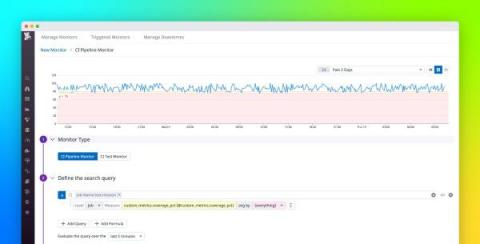
CI pipelines have become an integral part of the development workflow, helping teams automate the continuous building and testing of new updates to application code. The growing importance of CI pipelines has naturally led to a need for increased visibility into their performance. In 2021, Datadog introduced CI Visibility to deliver granular performance metrics for each individual pipeline, allowing you to monitor build duration and related telemetry across all recent commits.