Mailchimp
Not subscribed to OpsMatters Newsletter


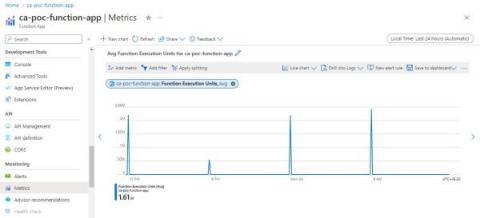
Event-driven architecture is an efficient and effective way to process random, high-volume events in software. Real-time monitoring of event-driven system architecture has become increasingly important as more and more applications and services move toward this architecture.
Currently, there are 212,633 companies that are using Microsoft SQL servers, and this number includes well-known enterprises, such as IBM and Oracle. SQL server databases store all kinds of data, and a significant amount of this data is critical for the performance and success of a business. To prevent data disasters, such as data theft, loss, or destruction, IT teams learn how to backup and restore SQL server databases.
There are many different types of backup available for organizations to choose from to backup their critical data. Structured query language (SQL) server backups are an essential component of an organization’s backup strategy because it is responsible for copying either a portion of, or entire, databases and storing them in a separate location to protect the data. In this article, we’ll explore what SQL server backup is and the advantages of backing up your SQL server.
Business Wire reports that over the next three years, more than three out of every four businesses believe that they are going to experience major data loss or a breach of data.