Mailchimp
Not subscribed to OpsMatters Newsletter


In a rapidly evolving realm of IT, organizations are constantly seeking peak performance and dependability, leading them to rely on a reliable observability platform to obtain valuable system insights. Logs vs metrics play a vital role, as any full-stack observability guide would tell you, serving as essential elements for efficient system monitoring and troubleshooting. But what are logs and metrics, exactly?
No-code, low-code, and bring-your-own-code (BYOC) platforms refer to different types of software development approaches that cater to varying levels of technical expertise, allowing users to create applications, websites, and automate tasks with differing degrees of coding requirements.
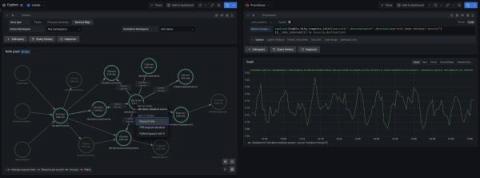
Anna Kapuścińska is a Software Engineer at Isovalent, who has a rich experience wearing both developer and SRE hats across the industry. Now she works on Isovalent observability products such as Hubble, Tetragon, and Timescape, as well as the respective Grafana integrations for all of them.
When it comes to the relative merits of hybrid work approaches, there can be a range of opinions; some are strong advocates, some see significant downsides, and many fall somewhere in between. About the one thing pretty much everyone can agree upon is that the rise in hybrid work has made the jobs of IT operations teams much more challenging. On any given day, a user may be working in the office, from their home kitchen, a neighborhood café, or just about anywhere else.
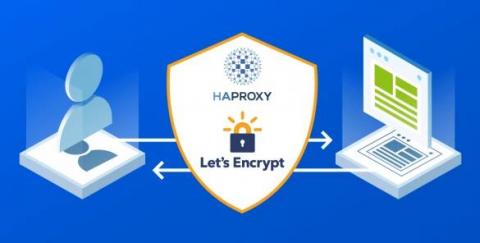
TLS certificates are crucial for the secure flow of web traffic, but managing these digital certificates can pose a challenge. Using an ACME-based certificate authority like Let’s Encrypt can automate and simplify the management of issuing these certificates. Certificate management in HAProxy has steadily improved over the years, allowing it to become more flexible and load certificates without restarting.
No matter how much prevention you have, serious security incidents will inevitably occur. Read the next article in our security series that covers how to understand cyberattacks as quickly as possible so that your organization can respond swiftly.
The common failure scenarios that occur in the cybersecurity world are typically assumed to be costs of doing business, but they’re actually more predictable and avoidable than you might imagine. Even if you’ve been lucky enough to avoid failed data sources or backups, a SIEM getting knocked offline, and other cybersecurity attack situations until now — in today’s day and age, they’re still inevitable.
Hey there, Cribl fans! We hope you’re ready to move into the second half of summer with a splash because we have some exciting news to share. Our latest product launch is all about enabling teams and multiple users to work together seamlessly while focusing on security, access control, and providing valuable data insights on demand. Who says you can’t have it all? Let’s dive right into the details!
A few months ago, we released Status Pages. This project was quite different from anything we’ve approached before, given that: And our goals were a departure from one's we had set in the past: With this in mind, we worked closely with our designer throughout the process of building Status Pages. Here is how we approached it and a few lessons we learned along the way!