Mailchimp
Not subscribed to OpsMatters Newsletter


Network detection tools utilize one of two prominent approaches for threat detection: AI-driven behavior-based methods capable of identifying early indicators of compromise, and signature-based ones, which flag known attacks and common CVEs. While these systems operate on distinct principles, their combination forms more robust defense mechanism, helps to consolidate tools, provides richer threat context and improves compliance.
In this article, we explained the benefits of combining signature-based detection by Suricata IDS with behavior-based detection by Flowmon ADS. Now, let’s talk about how to enable this feature using Flowmon Probe and Flowmon ADS.
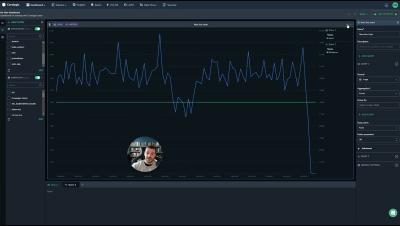
Organizations today must embrace a modern observability approach to develop user-centric and reliable software. This isn’t just about tools; it’s about processes, mentality, and having developers actively involved throughout the software development lifecycle up to production release. In recent years, the concept of observability has gained prominence in the world of software development and operations.
Before you dive into SharePoint, you may wonder, “Why do I need a technical guide?” The simple answer? To unlock SharePoint’s full potential. Understanding its nuts and bolts will empower you to customize it to your needs, optimize its functionality, and elevate your overall user experience. This article goes beyond the surface-level features to explain the underlying architecture, data storage mechanisms, and much more. Ready to unlock the mysteries of SharePoint? Buckle up!
ClickHouse database has been used as a remote storage server for Jaeger traces for quite some time, thanks to a gRPC storage plugin built by the community. Lately, we have decided to make ClickHouse one of the core storage backends for Jaeger, besides Cassandra and Elasticsearch. The first step for this integration was figuring out an optimal schema design. Also, since ClickHouse is designed for batch inserts, we also needed to consider how to support that in Jaeger.
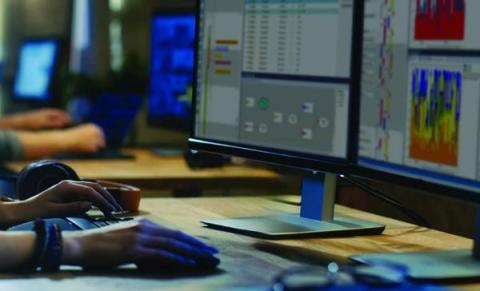
Tracealyzer. You can’t stay in the wonderful world of debugging and profiling code without hearing the name. If you look at Percepio’s website, it is compared to the oscilloscopes of embedded code. Use it to peek deep inside your code and see what it does. Of course, the code receives an interrupt and checks a CRC before sending the data through SPI, but how does it do it? And how long does it take?