Mailchimp
Not subscribed to OpsMatters Newsletter


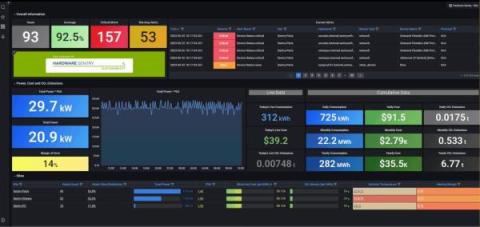
With just 30 employees, Sentry Software might be considered a small company, but they’re prioritizing sustainability in a big way. As the makers of Hardware Sentry, an IT monitoring software, a large part of their business relies on maintaining optimal temperature conditions at their data centers — an operation that contributes to the company’s overall carbon footprint.
For many IT organizations, triaging or troubleshooting starts with assessing symptoms. As practitioners investigate the causal factors by answering each of the “5 whys,” logs are often where the actual root cause answers lie. This is even more true for issues related to configuration changes, change management, and security. However, diving into log data can be overwhelming as a first step due to the high volume and velocity of logs and missing context.
You’re in the incident channel rocking yet another incident. Comms are flowing, resolution is in sight, the team is grinding, and you’re feeling good. Then…
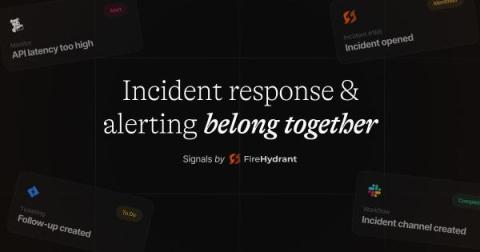
In the ever-evolving world of software engineering, the landscape is constantly shifting. New technologies emerge, best practices evolve, and how we build and run software continues to change. However, when it comes to incident alerting, it often feels like we're stuck in the past.
Elastic Observability is the premiere tool to provide visibility into web apps running in your environment. AWS App Runner is the serverless platform of choice to run your web apps that need to scale up and down massively to meet demand or minimize costs. Elastic Observability combined with AWS App Runner is the perfect solution for developers to deploy web apps that are auto-scaled with fully observable operations, in a way that’s straightforward to implement and manage.
In today’s world of relentless data growth, security-relevant logs represent a small snapshot of an organization’s overall environment. Teams are beset with a variety of data types, including performance metrics and traces, asset configuration and state, audit logs, and much more. On top of that, teams are expected to scan all of this to compare against industry best practices and join this data with logs and metrics for added context.