Operations | Monitoring | ITSM | DevOps | Cloud

Squadcast Joins Forces with SolarWinds: Powering the Future of Reliability and Incident Response

We are thrilled to announce that Squadcast is now a part of SolarWinds, marking a transformative milestone in our journey to redefine reliability and incident management. When we started Squadcast, our singular mission was clear–to help teams achieve greater reliability by transforming incident response into a proactive, automated, and intelligent process. Today, that mission takes a massive leap forward as we join forces with SolarWinds, a global leader in hybrid IT observability.

Putting Your Data to Work to Protect Your Software Supply Chain Final

In today’s complex software ecosystem, ensuring security and reliability is more challenging than ever. Dependency trees are growing deeper, third-party contributions are increasing, and the risks - from vulnerabilities and misconfigurations to malicious attacks - are at an all-time high. Organizations must find ways to secure their software supply chains without compromising agility.

Monitoring Distributed Systems

Monitoring distributed systems is essential to keep your system running smoothly, efficiently, and reliably. With the growing reliance on distributed systems in everything from web services to cloud computing and large-scale applications, having a robust monitoring setup is crucial. Let’s dive into what distributed systems are, their different types, key characteristics, and how monitoring plays a critical role in maintaining their performance.

Complexity Can Be Chaos

Monitoring is integral to understanding what is happening in your infrastructure, applications, or other observability projects. However, a common predicament developers can land themselves in is their observability stack becoming unwieldy and unmanageable due to a lack of streamlining and/or over-complicated code. To simplify your workload, it is important to streamline your monitoring.

Azure Tagging: A Comprehensive Guide for Technophiles

Introduction: Businesses and enterprises with complex settings and backgrounds may find Azure resource management uneasy. Resource tags in Azure help manage environments competently. They improve the visibility and governance of cloud resources by organizing, tracking, and optimizing them. This post may scrutinize Azure tags and find ways to maximize the benefits of resource management.

Live March 18th - Data-Driven Decisions Through Bots

Chris Goettl, Vice President of Product Management for Ivanti's Endpoint Security Products, discusses the shift from reactive to proactive strategies in security. He highlights the importance of data-driven insights and simplifying user experiences during monthly patch rollouts. An invitation is extended for a detailed discussion on March 18th, encouraging participation to explore these critical topics further.

A Complete Guide to Digital Operations

In today’s fast-paced digital landscape, organizations must ensure their IT infrastructure is resilient, scalable, and efficient. Digital operations encompass the strategies and tools that keep businesses running smoothly by minimizing downtime, optimizing performance, and enhancing collaboration. As organizations transition to cloud-based solutions and microservices, the complexity of managing digital services increases, making robust digital operations more critical than ever.

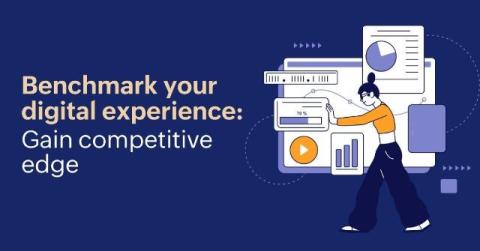
The importance of benchmarking in digital experience monitoring

Having a smooth and effective online experience is now essential rather than a differentiation. Customer loss, damaged brand reputation, and eventually a sharp decline in profitability can all result from a subpar digital experience. Gaining a significant competitive edge and promoting ongoing improvement are two benefits of knowing how your digital experience compares to industry best practices.

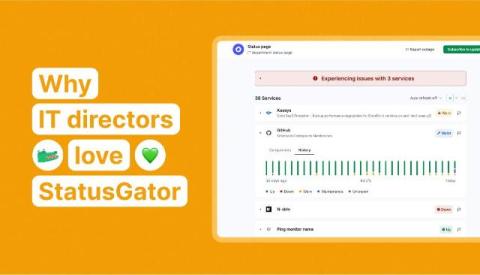
Why IT Directors Love StatusGator

Maintaining uptime and reliability becomes crucial as more businesses move to the cloud. While platforms like AWS, Azure, and Google Cloud offer flexibility and cost-effectiveness, they also introduce risks that can disrupt critical services. Recent events show how fragile cloud infrastructure can be. On July 19, 2024, a routine cybersecurity update caused a global internet outage. Beyond large-scale incidents, human error remains a leading cause of downtime in IT and data centers.