Uptrends Solutions: API Monitoring
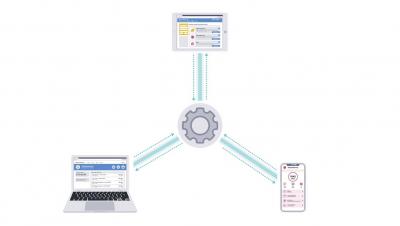
APIs fuel your website; know when they break. Use our advanced, multi-step API Monitoring to check your APIs for performance, function, and uptime.


Today, we’re introducing a small but useful change to the Anomaly detection that configures which hosts the host triggers should listen to. Do you have a stroopwafel in your hand? Yes? Then let’s dig in.
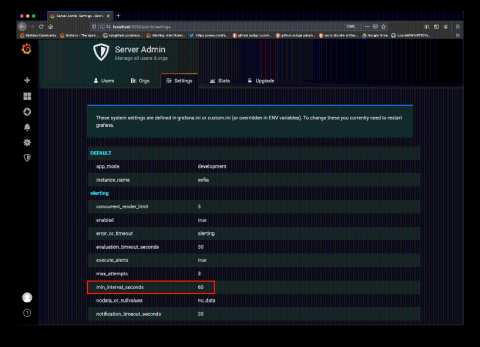
There has long been a request from administrators to have the ability to enforce a minimum interval between alert rule evaluations. This is useful for restricting unrealistic user-defined alert rules that evaluate too often and create unnecessary load in the backend. @Uepoch took the initiative and made all the necessary modifications for this configuration in Grafana’s backend, and we finally pushed it forward and introduced the feature in Grafana v6.6.
Recently, a StatusGator user on our 30 day free trial contacted us to inquire if StatusGator was GDPR compliant. The General Data Protection Regulation, or GDPR, is the European Union’s regulation that grants rights and requirements over personal data. Although we’ve been following the GDPR and its rollout for some time now, we haven’t taken active steps to comply with its requirements. We are based in the United States and don’t actively target European customers.
We are excited to announce the release of new versions of our two flagship products: SquaredUp for Azure version 4.5 and SquaredUp for SCOM version 4.5. Our product engineering teams have been working hard on the first big update since the launch of SquaredUp for Azure in November 2019, and have added some great new features and improvements based on customer feedback, including these beautiful cost visualizations…
Do you still find yourself visually monitoring dashboards for anomalies? That leaves catching revenue-related issues to chance. It’s become humanly impossible to catch incidents on streaming data. This is why many eCommerce and data-driven companies have adopted automated anomaly detection.