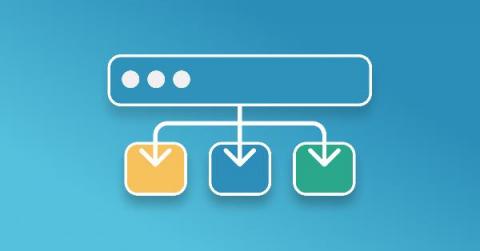
Consider for a moment which fundamental pieces of technology enable the modern web. Odds are, you’re thinking about things like Javascript and HTTP—and yes, they are fundamental parts of the modern web. But, the often-overlooked component of this ecosystem that has truly enabled the web to scale to billions of users and transactions is load balancers.
When discussing monitoring with IT and technical operations teams, it comes as no surprise that every team has its own parameters and requirements for their particular environment. Some teams just need an up-down of specific devices or interfaces, and others need more granular metrics like JVM or database performance. At the end of the day though, everyone is responsible for a service.
Go modules have helped bring order to Go development, but there’s been some disorder lurking. Managing module pseudo-versions can be difficult, especially with some of the latest changes to Go. JFrog GoCenter, the free repository of versioned Go modules, now includes some important updates that can help you stay on course. Let’s take a look at how pseudo-versions work, and what you can expect from those changes.
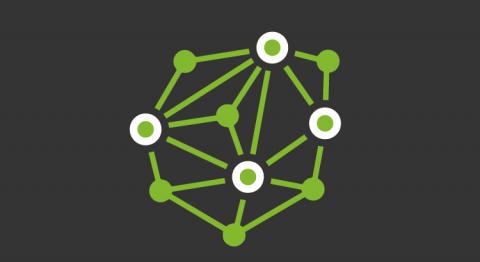
If you thought the fishmonger’s hair net was the only kind of net you’re wrong. From Pandora FMS we will show you some more, so that you do not get lost without them. The term “network” is used in computing to name a set of computers connected to each other in such a way that they can share resources, services, and information. There are several ways to classify these networks, based on their scope, relationship, or connection method.