Kuberrnetes Master Class - Getting Started with Longhorn and Yugabyte - 2020-04-22
This is the recording of the Kubernetes Master Class from 2020-04-22: Getting Started with Longhorn Distributed Block Storage and Cloud-Native Distributed SQL.


Lambdas are a powerful feature of the Ruby language. They allow you to wrap logic and data into a portable package. In this post, we’ll cover how and when to use lambdas. You'll also learn about the difference between lambdas and Procs, and the performance profile of lambda functions. The code examples have been tested with 2.6 and 2.7 and should work with most modern Rubys.
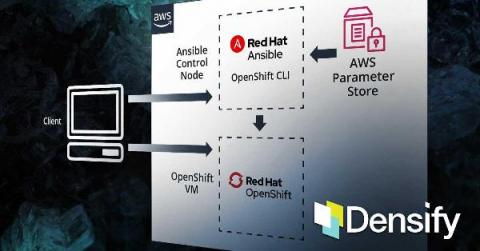
Assume you have a process to determine the optimal settings for CPU and memory for each container running in your environment. Since we know resource demand is continuously changing, let’s also assume these settings are being produced periodically by this process. How can you configure Ansible to implement these settings each time you run the associated playbook for the container in question?
The recent COVID-19 outbreak is stressing healthcare systems worldwide. Most countries are looking to “flatten the curve” of new cases in order to allow the sick to be treated without swamping hospitals.
At times like these when the world has been forced to adapt and go almost entirely digital, it’s imperative that our systems and platforms stay up and operational—all the times. We are going to great lengths to make sure that the hardware and software in our application stacks are reliable and responsive. Hardware is set up to have redundant backups and new code is tested and reviewed to make sure it doesn’t introduce any bugs into the system.
You’ve been thinking all morning. You keep wondering how to choose servers for your company. All right, think the answer will be almost always: What do you need them for? And the choice of servers will depend on the functions that they will fulfill, and these are also likely to be related to the size of your company.