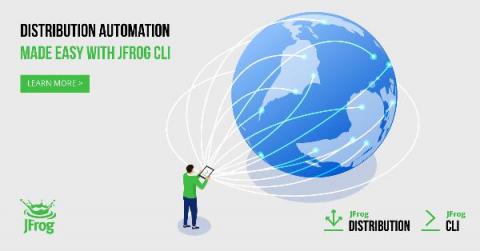
This blog post will provide you with information on how to use JFrog CLI with JFrog Distribution workflows. JFrog Distribution manages your software releases in a centralized platform. It enables you to securely distribute release bundles to multiple remote locations and update them as new release versions are produced. For those of you who are not yet familiar with the JFrog CLI, it is an easy to use client that simplifies working with JFrog solutions using a simple interface.
Last week we finally had our first virtual Icinga Meetup. Since we had some trouble at our very first try, we were even more excited and nervous about this. This time, after a couple of minutes it was clear that everything will go well from the technical perspective. We were prepared content-wise as well and almost all of the registered attendees showed up. Experiencing the first couple of minutes going so well was a huge relief and, in the end, the whole meeting was a great event.
If you want to skip ahead to see the MITRE ATT&CK eval round 2 results visualized in an easy-to-configure Kibana dashboard, check it out here.
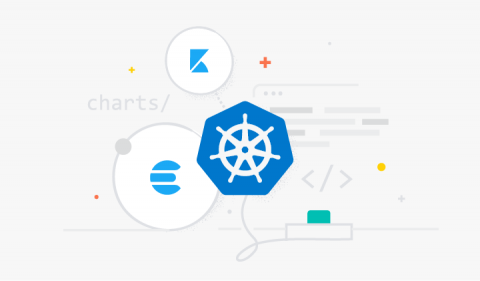
To achieve unified observability, we need to gather all of the logs, metrics, and application traces from an environment. Storing them in a single datastore drastically increases our visibility, allowing us to monitor other distributed environments as well. In this blog, we will walk through one way to set up observability of your Kubernetes environment using the Elastic Stack — giving your team insight into the metrics and performance of your deployment.
Six months ago we celebrated the joining of forces between Endgame and Elastic under the banner of Elastic Security and announced the elimination of per endpoint pricing. Simultaneously, while the newest members of Elastic Security were getting acquainted with the Elastic SIEM team, a few of our analysts were locked away in an office at MITRE HQ for round 2 of MITRE’s APT emulation.
If you’ve been operating in the cloud for some time now, chances are your business has changed since you first made that move. Has your cloud usage grown considerably—and your OpEx costs? Is that just the cost of doing business in the cloud? It doesn’t have to be. Here’s how you can rationalize your infrastructure and determine if there are cloud expenses you can reclaim and even if it makes sense to move some of your cloud deployments into co-location.
Close your eyes for a moment and think of the least tech-savvy person in your family. Ok, open them. This person, even with their limited tech skills, probably understands that the farther you stray from your Wi-Fi router, the worse your connection will be. Incredibly, Chris and I can count between us over a dozen customers whose IT support teams failed to consider this one factor. How could something so simple fly under the radar of enterprise IT?
Creating a new release of Ubuntu is always a complex undertaking. At Canonical, delivering Ubuntu is our core mission, and each new version represents the culmination of months of effort from colleagues throughout our organisation – not to mention the contributions from our wider, open source community. And as our Bionic Beavers and Trusty Tahrs race towards their release dates, one of the final steps is to bring them to life with a mascot.