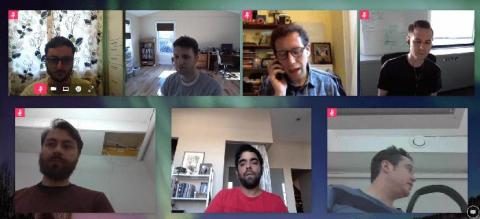
The COVID-19 pandemic has forced many companies to require employees to work from home. It’s a new normal for many, but at Grafana Labs our team has always recruited and operated with a remote-first culture in mind. To help everyone transition to a home office environment, we launched a new WFH series in which Grafana team members share their best advice for staying productive at home – yes, even if you have kids around.
Over the last few days, most of us have been getting to grips with this new, albeit temporary, norm of remote working. At SquaredUp, we’ve always been able to work like this as all of the tools we use day-to-day are SaaS products or hosted in Azure, but while we’ve always had the right tools, we’ve never actually had to experience everyone being out of the office at the same time.
AWS S3 buckets are an indisputably powerful—and extremely well-organized—DevOps tool. Standing for “simple storage service,” the S3 is the lowest tier offered for AWS storage, but it is also the most indispensable. S3 buckets store data for immediate recall, the most active components in Amazon’s arsenal of storage options. They can store a variety of developer applications and up to five terabytes of data each.
As a remote-first company, we’ve spent a lot of time optimizing how we work together as a team. In these challenging times, teams around the world are working to flatten the curve by trying their hand at remote working for the first time. To help these teams succeed, we thought it was the perfect time to share some of the practices and culture we’ve developed to run meetings effectively on Mattermost. Here are seven tips for successful remote meetings.
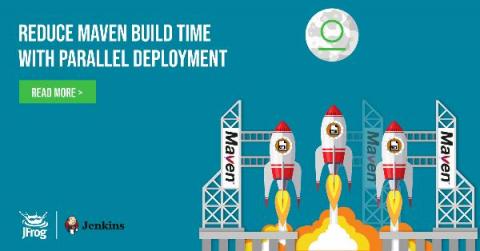
There are many reasons why you may want to use Artifactory as your Maven repository. For example, it allows tagging Maven artifacts with custom properties, so that they can later be found based on specific criteria. It stores build metadata about your artifacts, and allows controlling the repositories used by the Maven build, without modifying the pom file. In this post, I’d like to focus on one specific advantage, Maven deployments in Jenkins.
One of the challenges introduced by microservices architectures is the ability to understand how the application performs and where most time is spent. The Elastic Stack and Elastic APM can provide observability for modern, microservice-based solutions as well as monolithic applications. Application Performance Monitoring (APM) combines different technologies to provide a deep, transparent and holistic view of what each service component is doing, where, when, and for how long.
Application performance monitoring (APM) is a critical part of a unified observability strategy. APM offers deep insights into application performance and behavior, and organizations depend on it to deliver performant and high-quality digital experiences to their customers — both for keeping a proactive pulse on the health of their applications and for troubleshooting issues.
As the COVID-19 outbreak progressively impacts the world, many companies are grappling with the strain. It’s a very uncertain time for business right now. Even with so many factors out of your control, but there are a few things you can do proactively to protect your business. Keep your customers happy. Do everything you can to provide the best customer experience and remedy leaks early.