Automatic BMC Incident creation with Enterprise Alert
How to use Enterprise Alert to automatically create incidents inside of BMC.


I recently had the pleasure to talk with Jesse Miller from SouthStar Bank about some amazing IT results they were delivering. Southstar Bank, headquartered in Moulton, Texas — about midway between San Antonio and Houston — is a community bank specializing in residential mortgage, real estate and construction lending, operating 15 full-service branches in rural and urban communities across the Central Texas region.
The webinar included a live demonstration of how our eG Enterprise solution provides an end-to-end view of the Citrix deployment including the Citrix ADCs, Delivery Controllers, License servers, Virtual App servers, Virtual Desktops, and other Citrix tiers including WEM, AppLayering, and others. Citrix Cloud is also supported.
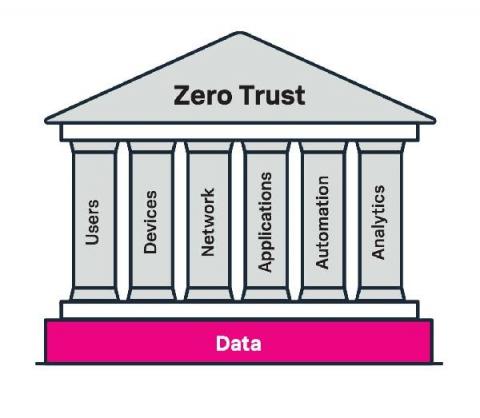
I have often joked that IT, and in particular cybersecurity, is like fashion — not a lot is ever new, just reimagined and, in some cases, improved. As I sit pondering the beauty of my COVID-19 comb-over mullet, I have found myself thinking about how this fashion analogy applies to zero trust.
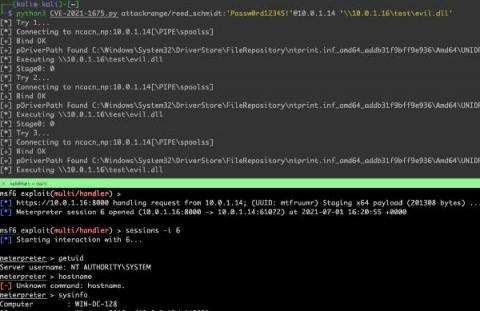
On Monday, June 21st, Microsoft updated a previously reported vulnerability (CVE-2021-1675) to increase its severity from Low to Critical and its impact to Remote Code Execution. On Tuesday, June 29th, a security researcher posted a working proof-of-concept named PrintNightmare that affects virtually all versions of Windows systems. Yesterday, July 1, Microsoft assigned this flaw a new CVE, CVE-2021-34527.
For our latest expert interview on our blog, we’ve welcomed cybersecurity specialist Tom Kirkham to share his wealth of experience on the topic of cybersecurity. Tom is the founder and CEO of IronTech Security, a managed security service provider (MSSP) that focuses on educating and encouraging law firms, court systems, water utilities, and financial firms to establish a security-first environment with cybersecurity training programs for all workers to prevent successful attacks.
Web server load testing is a very well-known process in performance testing. By testing your web server, you can pinpoint performance bottlenecks and improve your server performance. But what is the best way to load test a server?
What’s the service desk ticket that finally broke the camel’s back? Andrew Cohen (Sr. Manager, Digital Workplace Services at Cox) never had to find out – because he transitioned to a proactive service desk. In other words: a service desk that isn’t weighed down by growing ticket counts, reoccurring issues, and non-responsive employees. In a recent BrightTALK-hosted webinar, Andrew shared some of his firsthand experiences with building a proactive IT team.