Rancher Desktop 1.6.0: With Troubleshooting Diagnostics and More
A new version of Rancher Desktop with a troubleshooting diagnostics feature and several other improvements has just been released!


A new version of Rancher Desktop with a troubleshooting diagnostics feature and several other improvements has just been released!
Today we're announcing the launch of SquaredUp Cloud – a new kind of business intelligence (BI) tool – designed to help product, engineering, and IT teams easily discover and share insights from their data. Read on to find out more, or sign up for our webinar.
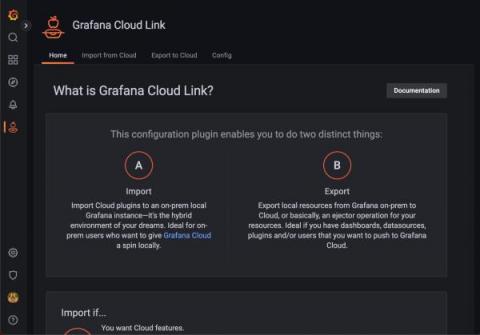
If you’ve had a local Grafana instance for any length of time, it’s likely dialed in just how you like it, and that’s a good thing. If you are working within Grafana Cloud, by contrast, you are using a heavily opinionated experience that our teams are building, managing, and provisioning. As a result, we serve up solutions that users can work with out of the box and can use to build their stack.
Let’s check out together the features and improvements included in the new Pandora FMS release: Pandora FMS 765.
The DNS is the most critical part of network infrastructure and the only doorway to the internet. We at ManageEngine, a division of Zoho Corp, understand this criticality well and have carefully designed software that helps IT infrastructure management professionals securely manage their domains’ DNS records and elude modern problems in DNS management. We’re excited to introduce ManageEngine CloudDNS, the first critical infrastructure management software in our portfolio.
As of today, Oh Dear is in a brand new jacket. We've totally redesigned Oh Dear's UI. Our app doesn't only look better, but we've also made it much easier to use. We feel that our new design should speak for itself, so we highly recommend visiting the home page, browsing a bit around, register an account, or log in, and discover the redesigned app yourself. If you've been using Oh Dear before, you'll notice that we polished everything, and the UX should be much better.
We are happy to announce that we have released a brand-new SCOM Management Pack for monitoring Citrix Desktop as a Service (DaaS). Citrix DaaS is a Citrix Cloud service that allows you to securely deliver virtual apps and desktops from on-premise data centers and public cloud platforms in a hybrid deployment.