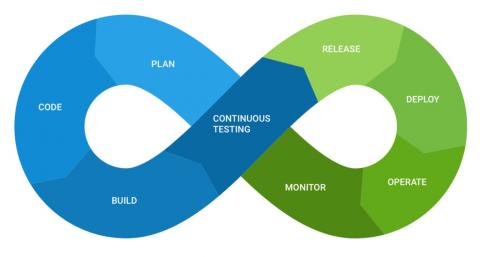
Continuous testing has evolved to become an important phase in modern application development and delivery. When we at Sumo Logic sketched out a plan to start delivering our microservices continuously, we knew we needed to define a delivery pipeline, which would run our automated tests and provide feedback in early phases of development.
Organizations need better network oversight. According to Information Week, recent data predicts “wasted” cloud spending on services and applications that aren’t fully utilized will reach $21 billion by 2021, while CIO points to Gartner research that suggests 30 to 40 percent of IT spending in large enterprises is actually funding shadow IT.
While everyone prepares for the frights of Halloween, there’s a real evil lurking just out of sight—an imminent threat that grows stronger each passing day. And no amount of burning sage, sprinkling salt, or carrying garlic will ward off this threat. Gather around folks, for in October, not only do we celebrate Halloween, but also National Cybersecurity Awareness Month.
Imagine going to the store and waiting in line for 10 minutes while the cashier calls the manager over to help the customer in front of you. That is how it feels when you are waiting for a slow webpage to load. You get impatient and even contemplate moving to a new checkout line (or website). Many people want to shop, bank, and pay bills online because it is quicker. You don’t have to spend the time driving to the bank and waiting in line.
Imagine the following scenario: you’re running a small corporate website, and suddenly, your service becomes unreachable, throwing a 503 (service unavailable) http error at your customers and website visitors. The irritated messages start flooding in to support. Worried, you walk through the usual administrative checks, to make sure it’s not what you think it is. Is the webhost up?
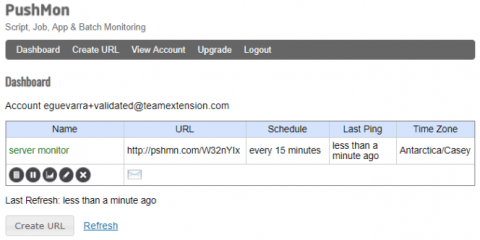
NOTE: This is part 2 of a post on how to monitor your server. For pre-requisites and how to monitor a windows-based server, read the earlier blog post.
In this tutorial, we’ll debug an iOS application with Apple’s Xcode. Xcode is a robust environment for developing and troubleshooting iOS applications. We’ll see how we can use it, alongside Raygun’s iOS Crash Reporting, to quickly address an application deficiency.