Testing the latest CFEngine features locally with nightly builds and vagrant (Developer Demo)
This video shows how you can test the latest features of CFEngine Enterprise with a local virtual machine.


The latest News and Information on CyberSecurity for Applications, Services and Infrastructure, and related technologies.
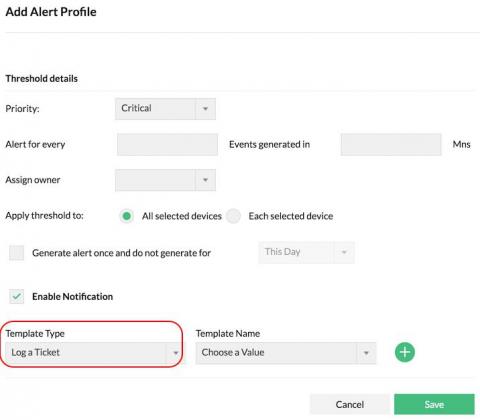
ManageEngine Firewall Analyzer reviews firewall logs to capture network security threats. It generates alerts upon detecting security threats and attacks, and notifies you, the security administrator, in real time. You can configure alerts to be sent via email, SMS, and more. With these real-time notifications, you can troubleshoot to take instant remedial action. You can also make changes to your firewall policies and configurations to prevent recurring security incidents.
In the wake of the COVID-19 pandemic, many organizations are adopting or experimenting with new models of long-term remote work. For some, that means keeping their teams fully distributed. For others, it means giving employees more flexibility to work from home or even simply putting plans in place for the future. But this shift to remote work brings new challenges that both large enterprises and smaller organizations must face.
Collin’s dictionary defines “behavior pattern” as a recurrent way of acting by an individual or group toward a given object or in a given situation. Analyzing and understanding the behavior patterns of individuals has proven to provide in-depth solutions to problems in different walks of life, including cybersecurity.
This blog is the second in a four-part series on infrastructure automation for government agencies that are modernizing digital systems while grappling with budget and staffing constraints and the challenges of COVID-19.