The latest News and Information on CyberSecurity for Applications, Services and Infrastructure, and related technologies.
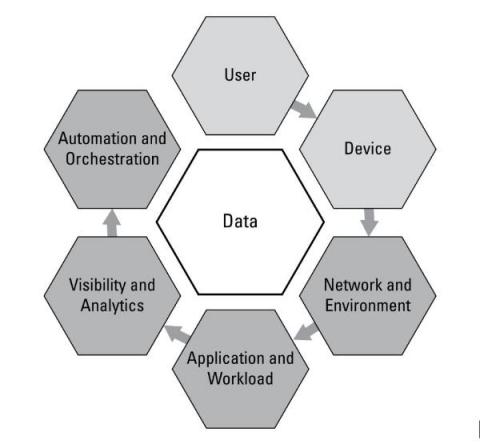
You know by now that hackers literally never sleep. Chances are your network has been hit before and absolutely will be hit again. Hackers invent new techniques every day and tweak existing ones, many of which are automated—which is why we can say that hackers literally never sleep. Hackers either attack your network directly or attack your infrastructure through your network. Either way, the network itself is your first line of defense.
Our previous blog provided an outline of the current phishing trends and potential consequences of not being aware of them. This article, however, takes a deep dive into a particularly dangerous type of attack. There is a large amount of phishing that is targeting webmail users on non-free mail domains in an attempt to syphon out their credentials for later use.
I have been a regular user of Pandora FMS for years and the best I can say about them is that they always have something new to add to my learning. Today, for example, I rediscovered the Two-Factor authentication in Pandora FMS! *And I did it, in part, through this article already published on their blog Although I devote myself to programming (and it is what I like to do the most), I am more of a Web 2.0 person than a Web 3.0 person because I consider that the latter has been abused too much.
If you help to manage cloud environments, you’re probably familiar with the concept of identity lifecycle management. Identity lifecycle management helps you keep track of who is allowed to do what within your cloud. But merely understanding identity lifecycle management isn’t enough to administer modern cloud identities effectively. You also need a way to automate identity lifecycle management at massive scale.