Operations | Monitoring | ITSM | DevOps | Cloud

The latest News and Information on Monitoring for Websites, Applications, APIs, Infrastructure, and other technologies.

Kubernetes + Cribl Edge: Because Logging and Metrics Shouldn't Be a Mystery Novel!

To fully utilize the capabilities of Kubernetes, it’s crucial to have a reliable system for gathering and organizing logs, metrics, and events. With the complex nature of container orchestration, it’s crucial to understand the significance and process behind the data generated in a Kubernetes environment at scale. Cribl Edge works seamlessly with Kubernetes and can cater to various needs.

Releasing Icinga Director v1.11

You may have noticed that, during the last few weeks, we released a bunch of new versions for different components of our stack. It’s a very exciting time of the year for us, since we’re currently finishing work that we have done through the last months. Today, we’re announcing another release: The general availability of Icinga Director v1.11! This new version ships with nice new features, which has been requested by many users. Check out the full changelog for all details.

Why infrastructure monitoring is important

In today’s technology driven world, businesses rely heavily on their digital infrastructure to operate efficiently and serve customers effectively. With the growing complexity of these infrastructures, ensuring their stability and performance has become paramount. “But how can I realize that?” is a question i often hear. And this is where infrastructure monitoring steps in.

Querying Arrow tables with DataFusion in Python

InfluxDB v3 allows users to write data at a rate of 4.3 million points per second. However, an incredibly fast ingest rate like this is meaningless without the ability to query that data. Apache DataFusion is an “extensible query execution framework, written in Rust, that uses Apache Arrow as its in-memory format.” It enables 5–25x faster query responses across a broad range of query types compared to previous versions of InfluxDB that didn’t use the Apache ecosystem.

Prioritize and promote service observability best practices with Service Scorecards

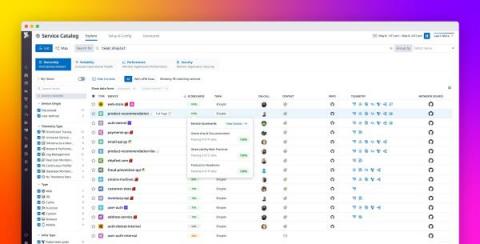
The Datadog Service Catalog consolidates knowledge of your organization’s services and shows you information about their performance, reliability, and ownership in a central location. The Service Catalog now includes Service Scorecards, which inform service owners, SREs, and other stakeholders throughout your organization of any gaps in observability or deviations from reliability best practices.

Accessible Home Diagnostic Services for Seniors: Tailored Solutions for Well-Being

As we age, health monitoring becomes increasingly important, and for many seniors, the convenience of accessible home diagnostic services can make all the difference. These specialized services are designed with the unique needs of older adults in mind, offering a range of diagnostic assessments, from osteoporosis screening to cognitive health evaluations. In this article, we'll explore the significance of these home diagnostic solutions for seniors and how they contribute to overall well-being.

How to Monitor Internet SLAs (Service-Level Agreements)

Whether you're streaming a movie, conducting a crucial Zoom meeting, or managing a data-intensive enterprise, a reliable Internet connection is non-negotiable. The Internet is expected to be fast, always available, and capable of handling your specific needs. But how can you ensure that your Internet service provider (ISP) is meeting these expectations? The answer lies in Internet Service Level Agreements (or Internet SLAs).

Using the Cribl API - Part 1

Cribl’s interface is Super Neato: Reactive, beautiful, and easy to use. But sometimes you need to access settings and configurations programmatically. The good news is that interactive API docs are baked into your Cribl instance. The better news is that everything that happens in the GUI is making API calls. With your browser’s developer mode, you can easily take a peak behind the curtain to see exactly how the API was called and what the payload looked like.