Operations | Monitoring | ITSM | DevOps | Cloud

The latest News and Information on Log Management, Log Analytics and related technologies.

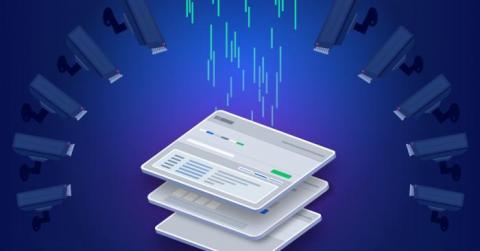
Cyber Security: Understanding the 5 Phases of Intrusion

Here at Graylog, we have recently had an increase in conversations with security teams from leading companies. We want to share our key findings with the Graylog community. The good thing is that cybercriminals use a methodical approach when planning an attack. By understanding their process and knowing your network, you will be better prepared and able to stay one step ahead.

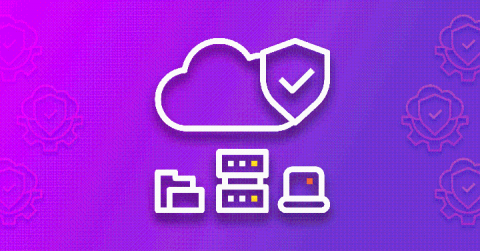
Cloud logging

There’s no tool that can replace the best practices for DevOps or SRE, but there is a tool that can allow you greater observability over your logs in a distributed infrastructure involving multiple products. In this episode of Google Cloud Platform Essentials, we show you how logs are aggregated for all Google Cloud products, how to utilize them, and how to use them for tracking application errors.

New support for HTTP connections

As all Papertrail fans know, sending logs to Papertrail using syslog is quick and easy. Generating and transmitting syslog packets usually involves just 2 – 4 lines of code, and you can see your logs flowing into Papertrail in minutes. There are times, however, when you just can’t use syslog or install a remote_syslog2 daemon. This is where the new support for sending logs via HTTP comes in. And the best news is, it’s just as quick and easy to set up.

Logging Best Practices Part 3: Text-based logs and structured logs

Isn’t all logging pretty much the same? Logs appear by default, like magic, without any further intervention by teams other than simply starting a system… right? While logging may seem like simple magic, there’s a lot to consider. Logs don’t just automatically appear for all levels of your architecture, and any logs that do automatically appear probably don’t have all of the details that you need to successfully understand what a system is doing.

Part One: How to Build Monitoring Dashboards based on Grafana with Logz.io

Logz.io customers use our Infrastructure Monitoring product to collect, store, and analyze metrics. In this webinar, Daniel and Noa will explain some of the basics of getting started with the product and cover some recent product additions with Grafana 7.

Heroku Continuous Integration & Deployment with Docker [Hands-On Tutorial]

In this tutorial, we will be using Heroku to deploy our Node.js application through CircleCI using Docker. We will set up Heroku Continuous Integration and Deployment (CI/CD) pipelines using Git as a single source of truth. Containerization allows developers to create and deploy applications faster with a wide range of other benefits like increased security, efficiency, agility to integrate with DevOps pipelines, portability, and scalability.

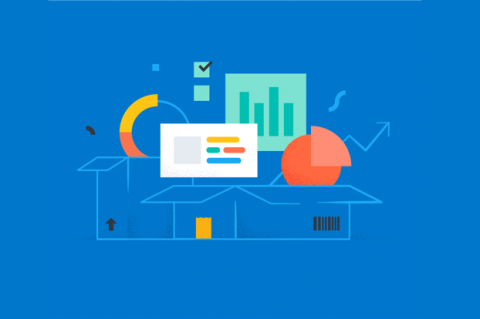
Announcing new Sumo Logic dashboards

We’re excited to announce the first version release of our new dashboard framework: Dashboard (New). Built on top of a scalable, flexible, and extensible charting system, the new dashboards provide customers with deep control over their visuals, enable metadata rich workflows, and create dashboards in a dashboard first GUI.