Operations | Monitoring | ITSM | DevOps | Cloud

The latest News and Information on Log Management, Log Analytics and related technologies.

Log Less, Achieve More: A Guide to Streamlining Your Logs

Businesses are generating vast amounts of data from various sources, including applications, servers, and networks. As the volume and complexity of this data continue to grow, it becomes increasingly challenging to manage and analyze it effectively. Centralized logging is a powerful solution to this problem, providing a single, unified location for collecting, storing, and analyzing log data from across an organization’s IT infrastructure.
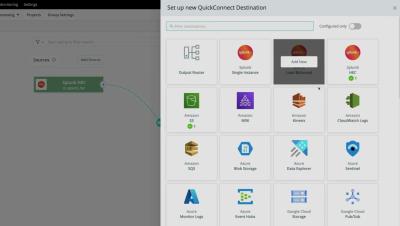
Evaluating New Tools with Cribl

Discover how Cribl's suite of products can be utilized to assess security and analytics tools, thereby reducing the duration of POVs and simplifying the process of tool migrations. Cribl, the Data Engine for IT and Security, empowers organizations to transform their data strategy. Customers use Cribl's suite of products to collect, process, route, and analyze all IT and security data, delivering the flexibility, choice, and control required to adapt to their ever-changing needs.

Understanding Syslog Formats: A Comprehensive Guide

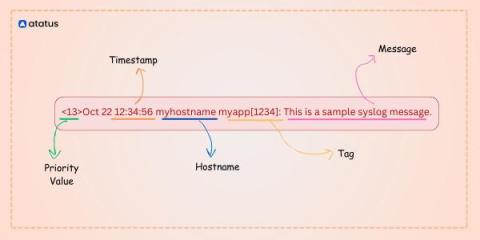
Syslog, short for System Logging Protocol, is a standard protocol used to send log messages and event notifications across a network. It plays a crucial role in monitoring and managing the health, performance, and security of systems and applications. Syslog was originally developed as a part of the BSD operating system, but many other operating systems and network devices have since adopted it. One of the key aspects of syslog is its flexible and standardized message formats.

Mastering the Cloud Migration: The Ultimate Guide to Cloud Migration Tools

Clouds aren’t magical data farms in the sky; they’re the backbone of modern infrastructure. Whether you’re using a public cloud, private cloud, or a mix of both, migrating to cloud-based infrastructure is not just a trend; it’s a strategic move for businesses seeking agility, scalability, and cost-efficiency. Cloud migration—moving data, applications, and workloads to the cloud (or between clouds)—is a critical step in this transformation.
Sponsored Post

5 Guiding Principles of Digital Business Observability

Modern data-driven organizations are synergizing operations observability, business intelligence, and data science with digital business observability programs that break down data silos, increase productivity, and drive innovation. Digital business observability combines IT and business data with cutting-edge data science techniques, enabling deeper analysis and unlocking valuable insights that propel innovation across use cases from sales and marketing to product design and financial operations.

Optimizing APM Costs and Visibility with Cribl Stream and Search

OpenTelemetry is starting to gain critical mass due to its vendor neutrality and having worked in the APM space for the last five years. I can see the appeal. Using OpenTelemetry libraries to instrument your code frees you from putting vendor libraries in your codebase. The other challenge most customers face is balancing cost versus visibility. While effective, most APM solutions are costly.