Operations | Monitoring | ITSM | DevOps | Cloud


Introducing Custom Parsing on LogDNA: A dead simple way to define your own log parsing rules
We’re excited to announce that LogDNA’s built-in log parser offers custom parsing, now available in beta. This means you can now use our step-by-step wizard to wrangle non-standard log formats and run custom transformations on your logs, allowing you to easily search and graph log lines that were previously off limits. The best part is, it’s a simple three step process: search, extract, validate… done!

Five Customer Service Tools to Boost Your Business
It’s a well-known and often repeated business motto that it is cheaper to retain customers than it is to attract new ones. In order to save on marketing, networking, and the cost of potentially losing disgruntled customers, your customer service needs to be on point. You should already have a strong team in place whose focus is on service, but consumers are starting to expect more from the companies they support.

How Box.com migrated 350K Nagios objects to Sensu
At Sensu Summit 2018, Box.com Sr. Infrastructure SRE Trent Baker told the story of how they migrated over 350,000 Nagios checks to Sensu. In this post, I’ll recap that talk, sharing some info about the infrastructure at Box.com, how they migrated a legacy monitoring system, and what’s next.
Falco 0.13.0 Released: Kubernetes Audit Events Support
We recently released Falco 0.13.0, which is probably the most exciting release since Falco’s 0.1.0 release almost two and a half years ago. With 0.13.0, we’re adding support for a second stream of events — Kubernetes Audit Events. This release also lays the groundwork for additional event sources to be easily added.
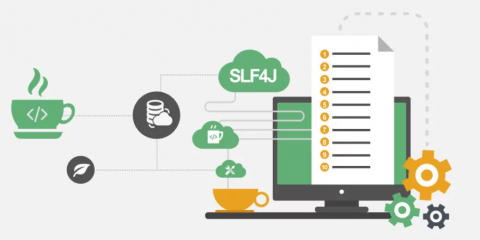
SLF4J: 10 Reasons Why You Should Be Using It
One of the most important aspects of developing an efficient system is to have clean, helpful logs that will help you understand what errors are being triggered, and what information is being processed. When you are first creating an application, you might not know what logging framework will be most suitable for your future needs, or you could simply want your system to remain agnostic regarding the logging implementation to be used.
timeShift(GrafanaBuzz, 1w) Issue 68
The team was busy speaking at events in Europe and the US this week, showing off new Grafana features and talking about what’s to come. Check out the presentation on logging in Grafana below; we’ll share the video once it’s available. Also in this week’s issue we have 2 new plugins to share, and your weekly dose of Grafana related blog articles and videos.
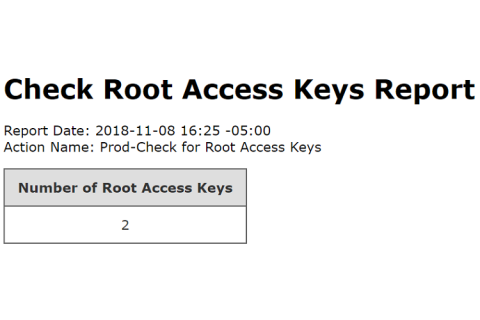
Check Root Access Keys Action
Still referencing Best Practices for Managing AWS Access Keys, best practices recommends that root access keys are never used and should be completely removed from your AWS account. Instead, IAM users with limited permissions should be used. In fact, Skeddly even prevents root access keys from being registered with Skeddly. We always recommend using IAM third-party roles, however, access keys can still be used. And we only allow IAM user access keys to be registered.
New and improved support for Apple platforms
If you’ve ever needed to use Raygun to monitor tvOS apps, today, you’re in luck. Our new and improved Raygun4Apple provider now supports Crash Reporting and Real User Monitoring across more Apple platforms: iOS, tvOS, and macOS.
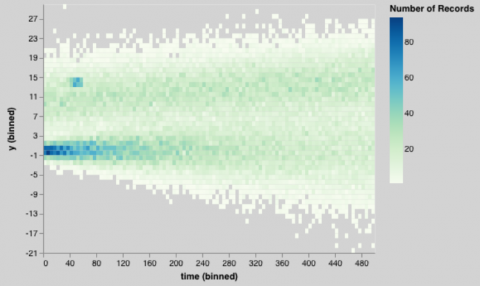
Heatmaps Make Ops Better
In this blog miniseries, I’d like to talk about how to think about doing data analysis “the Honeycomb way.” Welcome to part 1, where I cover what a heatmap is—and how using them can really level up your ability to understand what’s going on with distributed software. Heatmaps are a vital tool for software owners: if you’re going to look at a lot of data, then you need to be able to summarize it without losing detail.