Every manager in the real estate industry wants to minimize the organization’s expenses and ensure every asset and equipment is available where it is required so that no work operation hindrance occurs. In order to maintain a real state structure, it is important to create a complete list of assets attached to each real estate. However, when all these activities are done manually then it leads to several issues. This is where automated Real Estate Asset Management comes into play!
When you visit the About section of a company’s website, you probably expect to find information about the company’s culture and values. In how many cases are those statements more hype than reality? Does the company do the things it needs to do to help its employees be their best? It’s never been more critical to foster employee engagement and productivity.
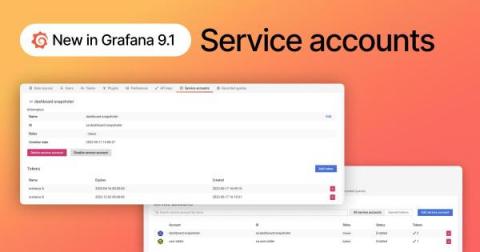
With the Grafana 8.5 release, we introduced the concept of service accounts. Now with the Grafana 9.1 release, we’re making service accounts generally available. This is a project that came out of technical necessity, but it has given us the opportunity to reflect on API tokens and machine-to-machine interaction across Grafana Labs.
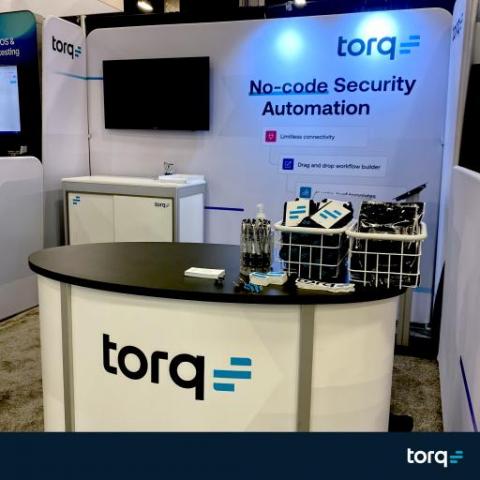
For its 25th year, Black Hat USA presented a “unique hybrid event experience, offering the cybersecurity community a choice in how they wish to participate” virtually or in person. It was a jam-packed four days of trainings, conferences, briefings, special events, and cybersecurity solutions.
As business systems grow to encompass more locations, tools, and organizations, defining processes that keep pace with these changes can’t be left to a hodgepodge of disconnected programs—or worse, manual implementation of paper documentation. You need to automate. Automation within businesses first arose in the 1960s, alongside resource planning systems.
Telegraf is a very powerful open source plugin-based agent that gathers data from stacks, sensors, and systems and sends it to a database. It collects data from an input and sends it to an output, and gives you the option to transform data with aggregators and processors before it reaches its endpoint.
SLOs—or Service Level Objectives—can be pretty powerful. They provide a safety net that helps teams identify and fix issues before they reach unacceptable levels and degrade the user experience. But SLOs can also be intimidating. Here’s how a lot of teams feel about them: We know we want SLOs, we’re not sure how to really use them, and we don’t know how to debug SLO-based alerts. Don’t worry, we’ve got your answer—observability!