What's next for the Cloud Native industry? Civo's predictions for 2023
As we enter a new year, our team has made predictions for the coming year in the Cloud Native ecosystem.


As we enter a new year, our team has made predictions for the coming year in the Cloud Native ecosystem.
So by now, you are probably aware that InfluxData has been busy building the next generation of the InfluxDB storage engine. If you dig a little deeper, you will start to uncover some concepts that might be foreign to you: These open-source projects are some of the core building blocks that make up the new storage engine. For the most part, you won’t need to worry about what’s under the hood.
The threat landscape that organizations faced in 2022 and continue to face in 2023 is large, complex, and continuously changing. Defense requires a multi-layered approach that delivers monitoring, detection, and response at many points within on-premise and cloud-based infrastructure and systems. A Network Detection and Response (NDR) solution is critical to a modern cybersecurity defense strategy.
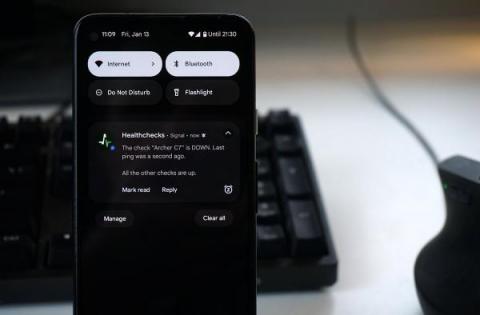
When a cron job does not run on time, Healthchecks can notify you using various methods. One of the supported methods is Signal messages. Signal is an end-to-end encrypted messenger app run by a non-profit Signal Foundation. Signal’s mobile client, desktop client, and server are free and open-source software (with some exceptions–read on!).
As Microsoft Azure continues to be developed and more automation options become available; Azure Automation, Logic Apps, ARM (Azure Resource Manager) and Azure Function Apps to name a few. The question is quickly turning from ‘how do I automate with Azure?’ to ‘what automation type do I use in Azure?’. Across our next few blogs, we will seek to delve into the options available and look to define how they stack up against Azure Automation.
How is Grafana like an invisibility cloak? At Adobe, it’s one of just four tools they’re using to build observability directly into their CI/CD pipeline, making it essentially invisible — but nonetheless impactful — to thousands of developers across the organization who use it in their day-to-day lives.
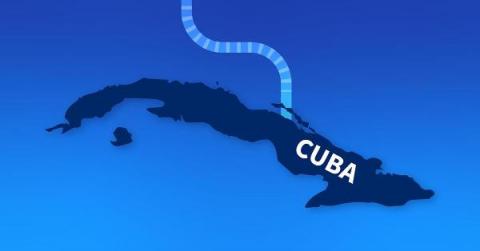
This week marks a decade since the ALBA-1 submarine cable began carrying traffic between Cuba and the global internet. On 20 January 2013, I published the first evidence of this historic subsea cable activation which enabled Cuba to finally break its dependence on geostationary satellite service for the country’s international connectivity. ALBA-1 was one of my first lessons on how geopolitics can shape the physical internet.