As we continue to adopt a digital-first mentality globally, there’s a massive shift to the cloud happening within federal agencies. While the sector has traditionally been slower to adopt new technologies, these agencies are understanding the urgent need to transition from legacy on-premise systems to more scalable and secure, cloud-based architectures.
Akamai is a leading provider of content delivery network solutions around the world, handling many millions of HTTP requests per second. By Akamai’s estimates, its CDN platform delivers 15 to 30 percent of global web traffic. If you’re using Akamai to accelerate and protect the delivery of content to your users, we are pleased to announce that you can now use Datadog to monitor the utilization and performance of your CDN.
As a longtime systems engineer, Blerim Sheqa knows all about using tools like Grafana to debug issues in infrastructures. Currently the CPO of Icinga, an open source monitoring software, he gave a talk at GrafanaCon LA about how not to fail at visualization.
Coming back from Monitorama, I had a chance to sit back and start playing with some tools to see how they worked. Prometheus is a pretty ubiquitous tool in the monitoring space, it's pretty easy to spin up, and is open-source. Having a very active community of engaged developers means finding help articles or guides is easy. We are also going to use Grafana to build nicer looking graphs based on API queries from Prometheus.
We all struggle with overloaded emails and are always on the lookout for methods to ease this burden. To make a clutter-free inbox a reality, help comes in the form of Sanebox. This is a software program made especially to clean up and effectively organize the client’s inbox. This simple software program works by taking a complete overview of your email.
One question that customers often ask is “why does the LogDNA agent need to run as root?” With IT departments and DevSecOps teams pushing to secure systems against cyberattacks, running a cloud-based logging agent as root sounds like a huge risk. While it’s true that you should avoid running applications as root, there are several reasons why our agent runs as root out of the box and several ways that we reduce your risk of attack.
Many people writing about AWS Lambda view Node as the code-default. I’ve been guilty of this in my own articles, but it’s important to remember that Python is a ‘first-class citizen’ within AWS and is a great option for writing readable Lambda code. Take a look at these two starter examples of writing functionality in Python.
An ever increasing number of developers and architects are using AWS Lambda to deploy serverless functions to control costs and reduce the burden of server management. Due to the unpredictable nature of end-user demand in today’s digital-first world, Lambda functions can help resolve unplanned scaling issues.
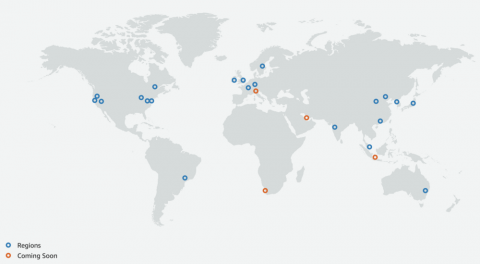
AWS has 21 (and counting!) geographic regions. If you never use one or more of those regions, detecting activity in those regions is critical for your cloud security posture.