Operations | Monitoring | ITSM | DevOps | Cloud

5 Best Practices to Motivate Employees to Go Green

When we think of climate change, we don’t usually think about corporate IT or the externality costs associated with video calls or heavy email attachments. Digital technology has a serious—and increasing—impact on our environment, with a carbon footprint of about 4% of global carbon emission (that’s more than the aviation industry’s 2.5% contribution). Outside of our digital work lives, I think we’ve grown accustomed to sustainable practices.
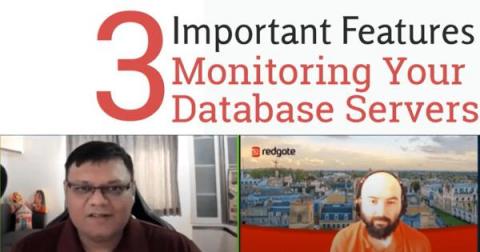
What does Pinal Dave think of SQL Monitor?

Last week we had the pleasure of speaking to SQL Authority’s Pinal Dave to show him some of our favorite SQL Monitor features! Pinal has used – and been a fan of – SQL Monitor since it launched in 2008 (fun fact: it was named SQL Response back then). There are, however, some newer features that Pinal isn’t too familiar with, and we were delighted to introduce those to him.

Discover 2022 DevOps trends with CircleCI data report

If you’re like many of our customers, the phrase software supply chain entered your lexicon this year. You’ve begun to feel the complexities and vulnerabilities of that supply chain. You’ve connected the dots between more reliable software delivery and business success. You’re recognizing the gains developer efficiency can have on profitability.

Ivanti takes home three prestigious Global Excellence Awards at the 2022 18th Annual Globee Business Awards

Winning one Globee award for Global Excellence in Cybersecurity is a really big deal. Winning two is worth calling everyone we know. We won three. We’re honored and humbled to have received so much recognition at the Globee® 18th Annual Cyber Security Global Excellence Awards, and we couldn’t wait to share the news with you. Here’s a look at our awards.

Deploy a Go app from repo to AWS

We are going to deploy a Go application directly from your repo to AWS with Cloud 66. Any application using any language on any framework can be deployed with Cloud 66 as long as it has a Dockerfile. Note: Rails applications are exceptions as we deploy them natively. If your application does not have a Dockerfile, we will suggest one for you based on your code. However, we would recommend reviewing what we have suggested and making sure the Dockerfile meets your requirements.

SecOps in a Post-Covid World: 3 Security Trends to Watch

By now, you’ve probably read loads of articles that discuss the COVID-19 pandemic’s impact on business, politics, the economy and much more.But what about SecOps? What permanent effects has COVID wrought on the way businesses secure IT assets? Let’s explore those questions by examining three key security trends that promise to endure long after the pandemic has finally receded.

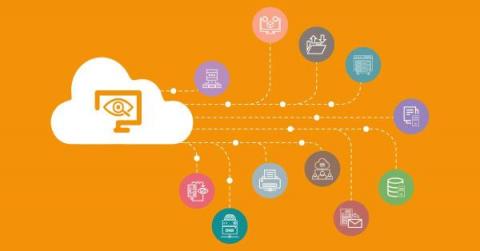
System Monitoring for AWS EC2 Cloud Instances with AWS CloudWatch

In this blog post, I follow on from my previous blog on AWS CloudWatch Part 1 of 2 to explore how you can go beyond basic agentless CloudWatch monitoring by deploying the CloudWatch agent and some of the key information and planning you need to do this. I’ll also cover how eG Enterprise offers out-of-the-box functionality to avoid complex JSON scripting or tooling to implement monitoring.

What are Linux containers?

Over the last decade, containers have become an essential part of running infrastructure more efficiently. Containers enable productivity, automation, and cost-effective deployments. But there are different types of containers to consider, and this blog explains what Linux containers are, and how they differ from application containers.

Building an Always-on Business Leaves No Room for Downtime

As is often the case with digital products, your users could be experiencing issues you might not be aware of. The unknown unknowns could include random bugs or memory leaks slowing down performance and, in many cases, those issues aren’t reported… folks just bail. If uptime is a core tenet of your business success, unreported issues and users moving on to the next best thing isn’t an option.

FireHydrant is now on Microsoft Teams

Engineering teams can now manage incidents in Microsoft Teams. You’ll have the consistent process and automation of FireHydrant right in the messaging tool you use every day. Effectively run through the entire incident response lifecycle: declare and manage incidents, collaborate with stakeholders, and resolve incidents faster when you integrate FireHydrant with Microsoft Teams.