Operations | Monitoring | ITSM | DevOps | Cloud

Developing a Data Breach Incident Response Plan

With cybersecurity boundaries going beyond the traditional walls of an office and attack surfaces constantly expanding, data breaches are inevitable. Managing risks from data breaches requires organizations to develop a comprehensive incident response plan – an established guideline that facilitates incident detection, response and containment, and empowers cybersecurity analysts to secure a company’s digital asset.

What Is Spot Instance Advisor? A Beginner-Friendly Guide

Amazon Web Services (AWS) provides three types of Elastic Compute Cloud (EC2) instances; On-Demand Instances, Reserved Instances (RIs), and Spot Instances. EC2 On-Demand instances are the default and most expensive instances. RIs and Spot instances offer discounts of up to 72% and 90% on On-Demand instances, respectively. The Reserved Instances are long-term commitments that guarantee you compute power for a year or three. Spot instances fluctuate in price and availability constantly.

Logic App Best practices, Tips, and Tricks: #11 Connectors naming convention

Today I will talk about naming convention because I think this is so critical to implement from day one, and people tend to forget. We earlier addressed the importance of providing a good naming convention to your Logic App name and actions inside your business process. Today we will speak about the Connectors (or API Connections) naming convention.

How to Monitor Your AWS RDS Instances

Even though NoSQL databases like Amazon’s own DynamoDB are very popular today, for many business use cases, there’s almost no way around using a traditional relational database. Amazon Relational Database Service (RDS), released back in October 2009, is one of Amazon’s first cloud services and can therefore be seen as a very mature service.

Entrepreneurs, CMO's, And All Marketers, Why Small Data Might Drive More Creative Customer Insights Than Big Data

The term ‘big data’ is used so commonly in research and marketing terms, you would think it’s been here forever. But actually, big data evolved from database marketing (read first efforts of targeted direct mail) in the mid to late 1980’s. This was the first attempt of marketing agencies and large corporations to begin segmenting their customer databases to create different offers based on the demographics or psychographics of their customers.

What is Zero-Trust? How can it be a game-changer for the security, control, and monitoring of your IT infrastructure?

It might appear like a challenging task to move from a centralized point of access to the network and apply a zero-trust security model. But, with growing instances of data breaches, cybersecurity threats, and the need for remote working, zero-trust network access has become a need of the hour for many organizations. It provides a holistic and strategic approach to secure your network and provide adequate access to the required systems.

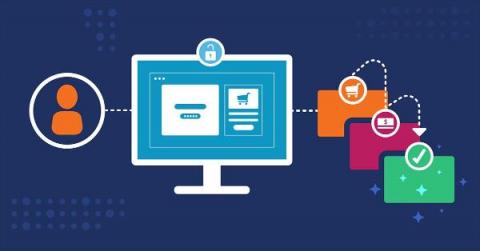
Kentik moves up the stack with Synthetic Transaction Monitoring

In our quest to provide the leading network observability solution, Kentik has been focused on developing a service for NetOps teams that empowers them to have intimate knowledge of their network traffic and the devices that route traffic. Our service helps them plan capacity, project costs, optimize routes, detect unwanted traffic, troubleshoot issues and analyze events.

11 Questions You Should Ask About Your Cloud Security

The world is becoming more digital with each passing day. Many companies are trying to transition to an online or to a hybrid system, where they can offer flexibility and autonomy to employees and have a more efficient way of managing their day-to-day operations. The digital transformation to the online world requires businesses to invest in cloud computing and cloud security software.

DevOps 101: Introducing Database DevOps

In this fourth session in our DevOps 101 series, we’re going to delve into Database DevOps specifically. But before we get going, I just want to do a quick check to make sure we’re all on the same page. Donovan Brown’s definition of DevOps seems to have been adopted by almost everyone nowadays because it’s very clear: “DevOps is the union of people, process, and products to enable continuous delivery of value to our end users”.