When you build a cloud-based application, you can choose to deploy the resources using the GUI (Graphical User Interface) or CLI (Command Line Interface) provided by the cloud provider. This approach can work well with just a handful of resources, but as the complexity of your application increases, it can become difficult to manage the infrastructure manually.
The complexity of modern information technology (IT) infrastructures has grown exponentially and changed the way software companies operate and deliver products and services. The days of a single application server and a simple delivery path are long gone. Today’s application development and delivery process can encompass multiple platforms, cloud vendors, code libraries and customer bases.
GitLens is a popular extension built for Visual Studio Code that helps developers extract the powerful insights hidden within Git code repositories. This VS Code extension makes development effortless by providing tools to quickly glance through, compare, and track each line of a code. It also helps address the drawbacks and intrusiveness of native Git features in large-scale projects.
Michael Stefferson received his PhD in Physics from the University of Colorado before deciding to make the jump into machine learning (ML). He spent the last several years as a Machine Learning Engineer at Manifold, where he first started working on projects in the healthcare industry. Recently, Stefferson joined the team at Cerebral as a Staff Machine Learning Engineer and hopes to leverage data to make clinical improvements for patients that will improve their lives in meaningful ways.
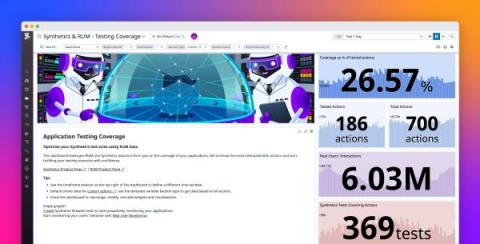
The modern standards of the web demand that user-facing applications be highly usable and satisfying. When deploying frontends, it’s important to implement a comprehensive testing strategy to ensure your customers are getting the best possible user experience. It can be difficult, however, to gauge the effectiveness of your test suite. For instance, all of your tests may be passing, but they might not cover a specific UI element that is crucial to a critical workflow.
At incident.io, we believe that incidents are for everyone. As part of enabling that mission, we think it’s essential to ensure that all users can create, configure, and maintain business processes related to an incident. Today, we have two approaches to support different people, products, and organisational structures: We’re excited to announce that we’re taking this further and adding Zapier to our growing list of options to automate your processes (and focus on fixing)!