Visualizing Time Series Data with ECharts and InfluxDB
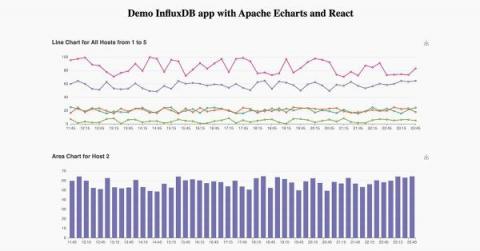
How to set up a basic React app, query data from InfluxDB Cloud and use the queried data to populate results using Apache ECharts.


How to set up a basic React app, query data from InfluxDB Cloud and use the queried data to populate results using Apache ECharts.
Hopefully by now you’re taken your first sip of Elastic RUM, or real user monitoring, and see the power of searching through traces and the User Experience metrics to gain insights into how users actually use and experience your application. One issue you may have experienced is the challenge of finding the source of errors for minified JavaScript files.
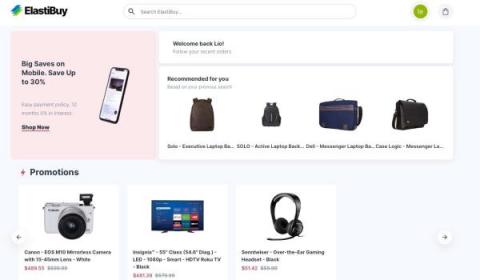
Creating personalized search experiences can be challenging. In this post, we’ll demystify the steps to get started, so you can prioritize search results according to user profiles, offer relevant recommendations, and accelerate workflows. But before we get to that, let’s address why personalized search matters.
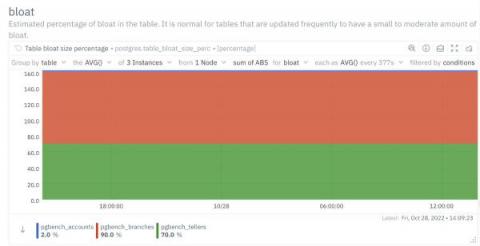
Database bloat is disk space that was used by a table or index and is available for reuse by the database but has not been reclaimed. Bloat is created when deleting or updating tables and indexes. Here's how to deal with it!
Context is king, in particular if you are troubleshooting your stack. Having all the right information from your observability platform to understand the behavior of your stack is fundamental for solving problems. With our StackState Observability Platform v5.1 release, StackState takes a big step forward to provide you even more information that is crucial for making decisions and for finding the root cause of an issue faster.