Operations | Monitoring | ITSM | DevOps | Cloud

Enterprise IT Dashboards

Interpreting data and making fast decisions is critical for any leader in today's business world. But how is it done? Everyone remembers the old way of doing things where analysts would manually crunch the numbers and give a final output. This business intelligence would be presented to their boss, and decisions would be made. This batch way of running numbers and presenting them is not sustainable due to the massive amount of manual effort involved to recompile datasets and present them properly.


Splunk Cloud Self-Service: Announcing The New Admin Config Service API For Private Applications

In our last blog, "Splunk Cloud Self-Service: Announcing the Admin Config Service (ACS)" we introduced our modern, cloud-native API that is enabling Splunk Cloud Platform admins to manage their environments in a self-service fashion. In this blog, we take a look at our latest effort to empower our customers: ACS private app management.

3 ways to improve field service management

Field service management covers a lot of areas, from installing and maintaining field equipment to scheduling, dispatching, and labor tracking. Across those myriad areas are numerous challenges: scheduling conflicts, miscommunications, workforce changes, customer dissatisfaction, poor first-time fix rates, lack of asset visibility, and more. But field service management is vital to successful business operations. Here are three ways ServiceNow helps companies improve their field service operations.

Shhh... we have Private Incidents

We’re excited to announce that private incidents are now available on FireHydrant. For the first time, incidents can have visibility limited to only permissioned users are able to see. This is a great solution for security and compliance teams who need to collaborate with their engineering counterparts to resolve incidents. The nature of these incidents that these teams work on dramatically differs from operational incidents.

Cloudsmith By the Numbers 2021

Another amazing year in the books! And even though we’ve done the ‘By the Numbers’ series for a few years now, this year’s numbers are the best (and biggest) yet. But even better than that? The people behind the numbers. Carrying on the growth we saw in 2020, the most important number to highlight this year is the massive increase in awesome Cloudsmithers we added to the team!

A Full Guide on Using Application Monitoring for Your Business

Wondering whether you can optimize your business using application performance monitoring? The answer is “Surely!” Our full guide on application monitoring usage will serve as proof. Contemporary businesses and startups depend on software applications for running their digital activities and supplying SaaS or AaaS (application-as-a-service). Nowadays, expedited application and service delivery without sacrificing quality is a top concern.

The Future-Proof Experience Framework w/ Tech Mahindra

Time is a luxury that IT workers don’t often have – and that’s particularly true after the massive upheaval all of our businesses have experienced since the pandemic. Ever since the working model changed overnight and digital transformation accelerated to warp speed, IT teams have had to implement new initiatives quickly in order to keep up. But how can they know that these initiatives have been successful?

Internet of Things and Ubuntu: 2021 highlights

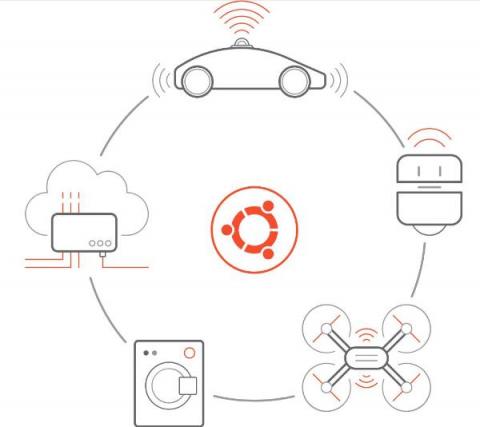
With rising unit shipments and hardware spending, 2021 will go into the record books as a critical year in the ever-increasing adoption of connected devices. Ubuntu – the modern, open-source Linux operating system for the enterprise server, desktop, and cloud – is rapidly becoming the de-facto standard for Internet of Things ( IoT) devices.

TL;DR InfluxDB Tech Tips: IoT Data from the Edge to Cloud with Flux

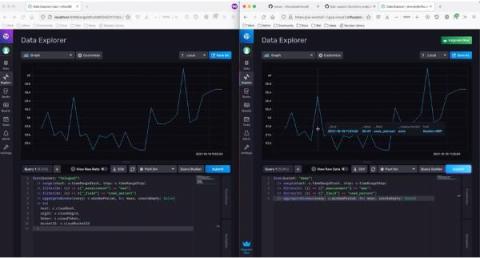
When it comes to writing data to InfluxDB, you have a lot of options. You can: The last bullet is the most powerful and flexible way of maintaining and managing your fleet of IoT devices. That architecture offers you several advantages including: Architecture drawing of the last bullet. Sensors write data to an OSS instance of InfluxDB at the edge which in turn write data to InfluxDB Cloud.