Managing IT infrastructure can be tough, especially when you’re dealing with scattered data, unexpected downtime, and slow problem-solving. The key to overcoming these hurdles is adopting a user-friendly, all-in-one Infrastructure Performance Monitoring (IPM) solution. In this blog, let’s explore how a top-notch IPM system can change the way you handle your IT infrastructure and show you how a cutting-edge IPM platform can address these common issues.
My name is Luca Del Puppo, I’m a FullStack Developer in Claranet It. I have been a software developer since 2013. I have a background in c# with.net framework, but lately, I’ve moved to Node and React. I’m working for a consulting company, and typically I try to use my experience to help customers to get rid of their problems, remove roadblocks, and achieve their business goals.
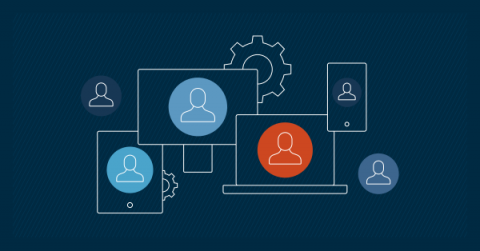
Not too long ago, devices used for work could only be accessed at the office, which meant that the end users of those devices had to travel to that location. Managing those end users was simpler because the devices were contained in a single area. These days, people own multiple devices and use many of them to get work done at home or on the go. In 2022, it was reported that about a quarter of U.S. employees work remotely.
In any organization, managing and controlling expenses is crucial for maintaining financial stability. Purchase requisitions are an essential part of this process, as they enable businesses to track and control their purchasing activities. A purchase requisition is a formal request made by an employee to their supervisor or purchasing department to purchase goods or services.
If you’re a business or IT leader, you have got to be ready to face data loss incidents. Because here’s the deal — any data loss incident, whether caused by a cyberattack, human error or a natural disaster, has the potential to cripple your business. Not only could your company temporarily lose access to its mission-critical information leading to downtime, but it could also lose this data permanently.
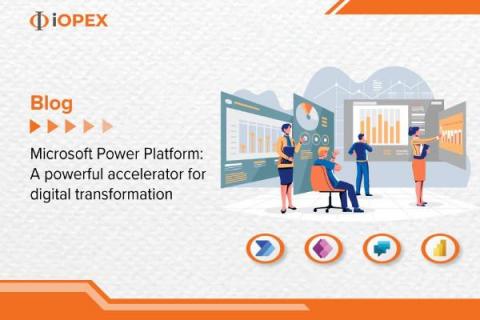
There are plenty of excellent platforms and tools available to fuel digital transformation. Increasingly, too, they’re a low-code or no-code solution: a suite of software that can build automation, analytics & applications from the ground up without extensive development skills. These tools level the playing field for businesses that want to automate unique processes, gather data and improve their customer and employee experiences.