Operations | Monitoring | ITSM | DevOps | Cloud

Incident Priority Matrix: From Chaos to Clarity

IT leaders often find themselves under pressure to support business outcomes while also trying to manage help requests. An incident priority matrix makes the incident management process much more seamless. It helps companies handle priority incidents within reasonable resolution times while ensuring other concerns are met. In this blog post, we delve deep into the concept of the Incident Priority Matrix, its significance, and how it can transform your incident management processes.


Should You Reload or Restart HAProxy?

Managing your load balancer instances is important while using HAProxy. You might encounter errors, need to apply configurations, or periodically upgrade HAProxy to a newer version (to name a few examples). As a result, reloading or restarting HAProxy is often the secret ingredient to restoring intended functionality. Whether you’re relatively inexperienced with HAProxy or you’re a grizzled veteran, understanding which method is best in a given situation is crucial.

Skiff Competition: Discover a Cost-Effective and Secure Alternative to Skiff

Skiff is a cloud storage platform with the same goal as many alternative cloud storage services: to provide a secure and private cloud for individuals and businesses. Skiff hopes to provide alternatives to Big Tech companies such as Google Drive and Dropbox to give users full ownership of their files with end-to-end encrypted services. As well as cloud storage, Skiff has expanded its services to other products that encrypt your data, including email, calendar, and other mobile apps.

The Complementary Power of RUM & Internet Synthetic Monitoring

User expectations are at an all-time high, and any performance hiccups can lead to frustrated users and lost business opportunities. To get real-time insights into their digital assets and succeed in this competitive landscape, businesses need Internet Performance Monitoring (IPM) that incorporates both synthetic and Real User Monitoring (RUM). RUM and synthetics are two powerful tools that, when used in tandem, offer a comprehensive view of performance and user experience.

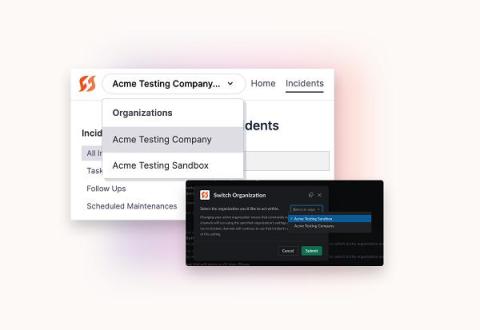
Multi-Org takes FireHydrant for enterprise to the next level

Too often, complexity means confusion — and confusion is your worst enemy when it comes to efficient incident response. We recently found that poor incident management practices (like confusion about what to do or how to escalate an incident) can cost companies as much as $18 million a year.

Leverage user context to debug mobile performance issues with the Instabug Datadog Marketplace offering

As user expectations for mobile apps increase, effective bug remediation involves not only addressing critical incidents as they occur but also proactively handling smaller performance issues in order to ensure a smooth user experience (UX). Instabug helps you understand how users experience your app with crucial mobile performance metrics—such as launch metrics, loading times, and UI hangs—viewable alongside your bug reports.

Automate reliability testing in your CI/CD pipeline using the Gremlin API

For many software engineering teams, most testing is done in their CI/CD pipeline. New deployments run through a gauntlet of unit tests, integration tests, and even performance tests to ensure quality. However, there's one key test type that's excluded from this list, and it's one that can have a critical impact on your application and your organization: reliability tests. As software changes, reliability risks get introduced.

Jira vs. Trello: Which Tool is Best for Developer Collaboration?

As if coordinating multiple team members and competing deadlines wasn’t hard enough, project managers often face another daunting task: which project management tool facilitates better dev-to-dev collaboration? Today, we’ll be looking at two of the leading project management tools, Jira and Trello. On the surface, these two options appear relatively similar, but each tool offers its own unique capabilities.

The Landscape of Zero Trust Adoption: Insights from Our 2023 Zero Trust Progress Report

Organizations are responding to the changing cybersecurity landscape. And zero trust is at the heart of this change, with 68% of respondents saying they’re planning or actively working towards adopting a zero trust access model. In collaboration with Cybersecurity Insiders, Ivanti surveyed 421 US-based IT and cybersecurity professionals to identify the latest enterprise adoption trends, challenges, gaps and solution preferences related to zero trust security.