Even as the global economy shows signs of a rebound, today’s observability customers are more focused than ever on driving utmost value from their investments. This isn’t simply because economics have forced organizations to closely review overhead and drive out unnecessary costs; the reality is that observability has become one of the leading budget items for every cloud software organization, full stop.
As cyber threats get more sophisticated, cybersecurity becomes a top concern for organizations. In this context, MSPs face an unenviable task: they manage the IT infrastructure and services of multiple customers—often small and medium businesses, which tend to be cybercriminals’ preferred targets. This job is being made even more challenging due to the increased use of Internet of Things (IoT) devices and Bring Your Own Device (BYOD) policies in modern workplaces.
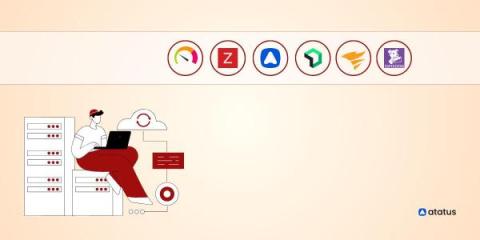
In today's fast-paced digital world, businesses rely heavily on IT infrastructure monitoring tools to ensure optimal performance and reliability. LogicMonitor has carved a niche in the market as a comprehensive monitoring solution for complex IT environments. However, the recent security mishap has pushed us to look for other alternatives as well. Fairly recently, LogicMonitor was in hot waters for its weak default passwords, ultimately leaving them vulnerable to ransomware attacks.
Alan Carson writes about his experience and journey with Cloudsmith, as new CEO Glenn Weinstein steps in as leadership. I heard something recently, that resonated, about success. In a simple (but not easy) three-step plan; success happens when the following three things align: A great example is, of course, Steve Jobs and Apple. The contrarian idea was that every single human would need a personal computer. He was proven right. And he executed expertly (with a few ups and downs obviously!)
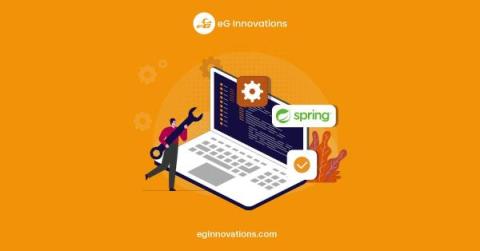
Today, I’ll cover Shift Left Monitoring: A Pathway to Optimized Cloud Applications and how left-shifted troubleshooting of Spring Boot code issues using observability tooling can avoid production issues, unnecessary costs and improve product quality. Shift-left is an approach to software development and operations that emphasizes testing, monitoring, and automation earlier in the software development lifecycle.
In the modern digital age, the allure of cloud computing has been nothing short of mesmerizing. From startups to global enterprises, businesses have been swiftly drawn to the promise of scalability, flexibility, and the potential for reduced capital expenditure that cloud platforms like Azure offer. Considering the diverse Azure VM types and the attractive Azure VMs sizes, it’s easy to understand the appeal.
All business eyes seem to be focused on the current challenges of an unsteady economic environment, and organizational leaders are working to figure out the best plan to overcome them. Leaders have their own collection of key initiatives as no two companies are the same. Most commonly; however, they want to double capacity and productivity, cut costs, enhance customer experiences, and future-proof their organizations.