Operations | Monitoring | ITSM | DevOps | Cloud

Dashboarding Azure Monitor SCOM MI in SquaredUp

Big news! Microsoft have just dropped Azure Monitor SCOM Managed Instance (SCOM MI), their cloud-based alternative to SCOM. It’s fully Microsoft managed, and so it promises to take the headache out of deploying, scaling, and managing your SCOM Management Groups. Read Microsoft’s announcement blog to learn all about it.

Alerts Should Work for You, Not the Other Way Around

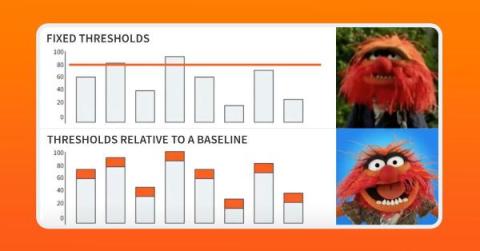
The entire reason we have monitoring is to understand what users are experiencing with an application. Full stop. If the user experience is impacted, sound the alarm and get people out of bed if necessary. All the other telemetry can be used to understand the details of the impact. But lower-level data points no longer have to be the trigger point for alerts.

Managing Cisco Switch Logs with Kiwi Syslog Server

Network management, particularly the effective handling of system logs, is crucial in maintaining a high-performance and secure IT infrastructure. Log files, or simply logs, are generated by network devices such as switches and routers, serving as valuable resources to understand the intricacies of network performance, spot anomalies, and even comply with regulatory requirements.

System Center Orchestrator to Azure Automation Migration Guide

For companies using Microsoft System Center Orchestrator versions 2016, 2019 or earlier who are looking for a replacement for their aging Orchestrator systems, they have an option to migrate to a new 64 bit version Orchestrator 2022 (more details on this can be found in the Kelverion Orchestrator Best Practices Guide) but many companies are considering replacing their Orchestrator system entirely and are looking for guidance.

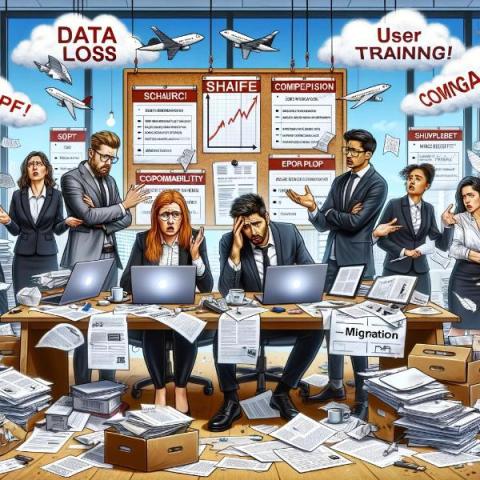
Navigating the Migration to SharePoint

In the realm of digital transformation, migrating to SharePoint stands out as a pivotal step for organizations seeking to enhance collaboration, streamline data management, and boost operational efficiency. SharePoint, a robust platform by Microsoft, offers a plethora of features that cater to diverse business needs, from document management to team collaboration.

How a Modern Integration MESH Changes our Roles and Responsibilities

There was a time not too long ago, before the cloud was a part of every enterprise technology conversation, when integration work was considered the purview of a specific architecture and engineering group. If messages failed to send, or services failed to respond, application stakeholders would create a trouble ticket for the integration team to address. In some ways, this separation of labor was effective enough at the time.

Icinga Monitoring is the trusted "source of truth" for Scandinavian company NTE

We are proud of our many customers and users around the globe that trust Icinga for critical IT infrastructure monitoring. That´s why we´re now showcasing some of these enterprises with their Success stories. It´s stories from companies or organizations just like yours, of any size and different kinds of industries. Some of them are our long-standing customers, others have just recently profited from migrating from another solution to Icinga.

Incident communication best practices for an elevated user experience

Downtime is unavoidable, and incidents happen. Organizations need to be rapid and transparent in communicating incidents with their customers. Lack of timely communication can jeopardize the entire incident management process and increase user frustration. This guide provides rich insights into what incident communication is, why it's important, and best practices for effective incident management. What is an incident, and why is incident communication important?

IT Spending: Trends & Forecasts for 2023

Perhaps the most defining trends of the 2020s so far have been abrupt change and mixed signals. IT spending is no different. A mere 3 years ago, COVID-19 swept the globe and thought leaders were calling for the start of a “new normal” and predicted that life on Earth would never be the same – and a major component of that change would be a move to remote-first and digital-everything.