Operations | Monitoring | ITSM | DevOps | Cloud

Grafana Cloud security: Three common cloud security myths debunked

Grafana Cloud offers organizations an end-to-end observability platform, without the overhead of building and maintaining their own observability stack. We’re constantly shipping new Grafana Cloud features to ensure users get the most out of the fully managed platform, which is powered by our open source Grafana LGTM Stack (Loki for logs, Grafana for visualization, Tempo for traces, and Mimir for metrics).
Monitor Complex User Flows With Checkly's Multistep Checks

With an ever-growing market of digital products, it is becoming increasingly important for every business to ensure a high level of customer satisfaction. In the past, companies might have been able to get away with slow or messy websites. Today, if a customer gets frustrated even once, they will likely abandon your product in search of a better replacement.

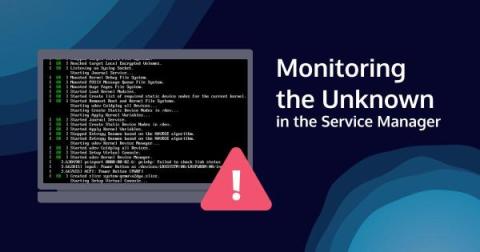
Monitoring the Unknown in the Service Manager

Nearly every operating system comes with at least one kind of service management. On a Unix-based operating system, this is historically part of the init system. While the specific tools have matured over time and there are changes between operating systems, they are essentially used to orchestrate both operating system services and user services. Specifically, a service manager ensures that, e.g., a web server is started once the network is configured and available.

Observability Vs. Monitoring: The Complete Comparison

Many often wonder, “Is there a difference between observability and monitoring?” The thing is as IT environments have become more complex, monitoring alone has become increasingly less effective. That’s because while monitoring is crucial, it isn’t particularly suited to tracking unforeseen or unexpected turns of events. That’s what observability is meant for. This guide will clarify what observability and monitoring are – and how they differ.