Operations | Monitoring | ITSM | DevOps | Cloud

Comparing ELK, Grafana, and Prometheus for Observability

Monitoring and observability are cornerstones of modern infrastructure management. Three popular solutions that often come up in this space are the ELK Stack, Grafana, and Prometheus. This comparison breaks down the key differences, use cases, and integration capabilities to help you determine which tool or combination better suits your operational needs.

ELK vs CloudWatch - Choosing the Right Monitoring Tool

In today’s evolving cloud-native landscape, having a reliable monitoring and observability setup is essential for maintaining application health and performance. Two widely used solutions, Amazon CloudWatch and the ELK Stack (Elasticsearch, Logstash, and Kibana) offer powerful capabilities for log management, metrics, and alerting. But each serves different needs and environments.

The Critical Role of Observability in Healthcare IT

Healthcare organizations are increasingly leading the charge in technology adoption, rapidly deploying advanced applications and digital tools to improve patient outcomes and operational efficiency. However, this acceleration is placing unprecedented pressure on existing IT infrastructure. Teams are being asked to support next-generation workloads, such as AI-powered diagnostics and real-time data platforms, on legacy systems, often without the benefit of increased budget or headcount.

Stop drowning in alerts: 12 DevOps alert management strategies that actually work

System outages cost businesses an average of $5,600 per minute, according to Gartner. That's over $300,000 per hour of downtime. But beyond the financial impact, downtime destroys customer trust, damages your reputation, and creates a backlog of urgent work for your already busy technical teams. The key to minimizing downtime? A robust DevOps alert management system that notifies you of issues before they become full-blown disasters.
Sponsored Post

Step by Step Guide for Using the HG-CLI Agent Installation Tool

Our latest project at MetricFire is a brand-new CLI tool! This tool makes agent installation on any OS a breeze, and we are quite proud of it. In this article, we'll share an overview of HG-CLI, and how to use it in Terminal User Interface (TUI) and Command Line Interface (CLI) mode. We'll also show you what to do with the metrics that are collected and forwarded to your Hosted Graphite account, giving you a full server monitoring setup in minutes!

Beyond Their Intended Scope: DDoS Mitigation Leak

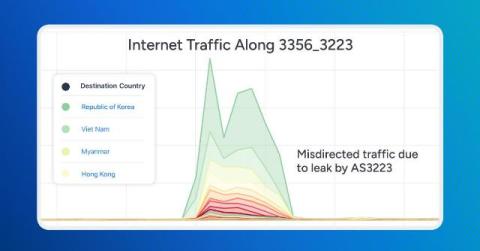
In this edition of Beyond Their Intended Scope, we take a look at last week’s BGP leak by a DDoS mitigation company which impacted networks around the world. We look at the impacts in both BGP and traffic data, and discuss how RFC 9234’s “Only to Customer” BGP Path Attribute could have helped.

Addressing configuration management in legacy network systems

Legacy network systems keep many enterprises running, but let's be honest—they can be a nightmare to secure. Misconfigurations, outdated protocols, security gaps, or even easy passwords make them easy targets for attackers. If upgrading isn't an option (for financial reasons or because you do not have the resources to refurbish the monolith that your legacy network has become), how do you lock them down? That's where Site24x7 comes in.

How to Fine Tune Your IncidentHub Alerts

IncidentHub can send outage alerts to many external systems. You can choose from Slack, Webhook, Email, Discord, PagerDuty, and more. Alerts are effective only when they are relevant and actionable. In this article, we will explore how to fine-tune your IncidentHub alerts to receive only the relevant ones for your third-party services.